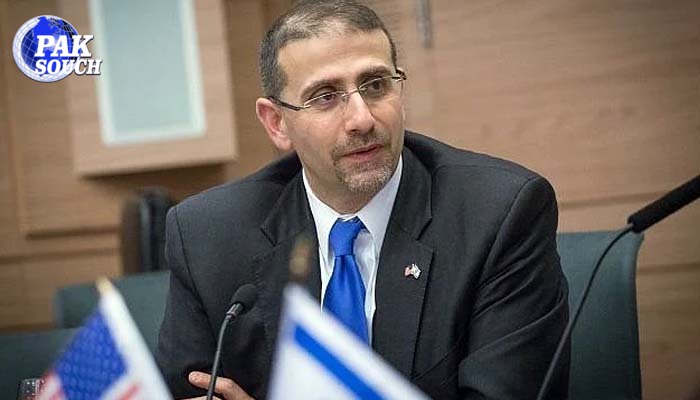
A controversial and alarming claim has emerged from a former senior US diplomat, sparking international debate and raising concerns about escalating tensions in the Middle East. Dan Shapiro, former United States ambassador to Israel, has alleged that former US President Donald Trump may attempt to assassinate Iran’s Supreme Leader, Ayatollah Ali Khamenei, in the coming weeks.
Dan Shapiro served as the US ambassador to Israel during the presidency of Barack Obama and remains an influential voice on US–Middle East policy. According to Israeli media reports, Shapiro made these remarks during an interview in which he discussed the rapidly evolving situation between the United States, Iran, and Israel, as well as the possibility of further military escalation in the region.
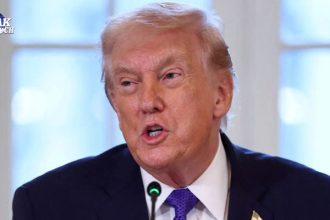
In the interview, Shapiro claimed that Donald Trump, if given the opportunity and authority, could pursue direct action against Iran’s top leadership. He alleged that Trump may seek to target Iran’s Supreme Leader Ayatollah Ali Khamenei in the near future, describing such a move as part of a broader strategy to weaken Iran’s leadership and influence in the Middle East.
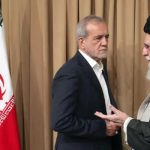
The former ambassador’s statement comes at a time of heightened regional tensions, particularly following accusations made by Iran’s Supreme Leader against the United States. Ayatollah Khamenei recently alleged that the US president was involved in violence, protests, and killings inside Iran, claims that Washington has strongly denied. These accusations further strained already fragile relations between Tehran and Washington.
Commenting on Ayatollah Khamenei’s leadership, Dan Shapiro stated that the Iranian Supreme Leader is now 86 years old and suffering from health issues. He argued that Iran is approaching a critical transition period and may soon require new leadership. Shapiro’s remarks suggested that internal instability within Iran could intersect with external pressure from the United States and its allies, potentially reshaping the region’s political landscape.
In addition to his interview, Shapiro also shared his views on the social media platform X (formerly Twitter), where he outlined what he believes to be Washington’s evolving military posture in the Middle East. According to Shapiro, the United States is preparing to deploy a large naval fleet to the region in the near future. He claimed that the presence of a significant US naval force would not only make a potential attack on Iran easier but would also strengthen defensive preparations in case Iran retaliates.
Shapiro further stated that the United States could carry out additional strikes against Iranian forces, suggesting that military pressure on Tehran may intensify. His comments have fueled speculation about possible US military action and the broader strategic objectives of Washington in the region.
The claims have not been officially confirmed by US authorities, and no statement has been issued by Donald Trump or his representatives in response to Shapiro’s allegations. However, the remarks have drawn widespread attention due to their seriousness and potential implications for regional and global security.
Political analysts have described Shapiro’s statements as highly provocative, warning that any attempt to target Iran’s Supreme Leader would represent a dramatic escalation and could trigger severe consequences. Experts note that Ayatollah Khamenei is not only Iran’s highest political and religious authority but also a symbol of the Islamic Republic’s system. Any direct action against him could provoke widespread unrest inside Iran and potentially ignite a broader regional conflict.
Iran and the United States have a long history of hostility, marked by decades of sanctions, proxy conflicts, and diplomatic standoffs. Relations have remained particularly tense in recent years, especially following the US withdrawal from the Iran nuclear deal and the killing of Iranian General Qassem Soleimani in a US drone strike in 2020. That incident brought the two countries to the brink of open conflict and continues to shape perceptions in Tehran.
Observers say Shapiro’s comments must be viewed in the context of ongoing geopolitical maneuvering involving Iran, Israel, and the United States. Israel has repeatedly expressed concerns about Iran’s regional influence and nuclear ambitions, while Iran accuses both the US and Israel of destabilizing the region and interfering in its internal affairs.
Iranian officials have consistently warned that any direct attack on their leadership would be met with a strong response. Tehran maintains that it has the capability to retaliate through a range of military and strategic options, including regional allies and missile forces.
Meanwhile, calls for restraint have emerged from various international quarters, with diplomats and analysts urging all sides to avoid actions that could further inflame tensions. They stress the importance of diplomacy, dialogue, and de-escalation in a region already plagued by prolonged conflicts.
Dan Shapiro’s claims have also raised questions about the role of former officials in shaping public discourse on sensitive security matters. While some view his remarks as a warning based on insider experience, others argue that such statements risk fueling speculation and anxiety without concrete evidence.
As of now, the situation remains fluid, with no official confirmation of any planned action against Iran’s Supreme Leader. However, the remarks have added another layer of uncertainty to an already volatile regional environment.
With growing military movements, sharp rhetoric, and deep mistrust on all sides, analysts warn that the coming weeks could prove critical. Whether Shapiro’s claims reflect real policy intentions or personal analysis remains unclear, but they underscore the fragile state of Middle East security and the potentially far-reaching consequences of any miscalculation.