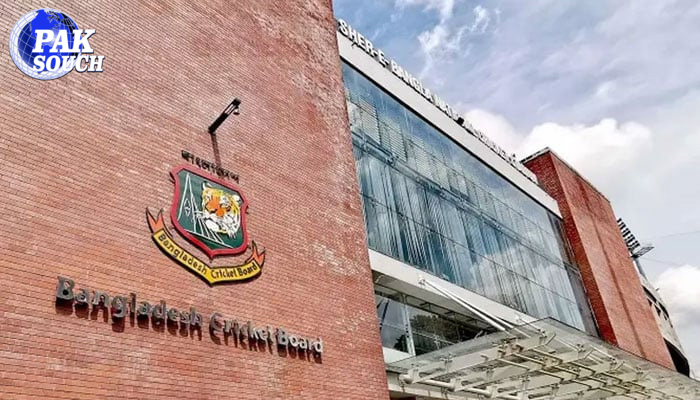
A major controversy has erupted in Bangladesh cricket after a statement by Bangladesh Cricket Board (BCB) director Nazmul Abedin, commonly known as Nizam Salim, triggered strong backlash from players, who have now threatened to boycott cricket across all formats. The incident has raised serious concerns about player-board relations and could potentially disrupt ongoing and upcoming domestic competitions, including the Bangladesh Premier League (BPL).
According to reports from cricket websites and local media, Bangladeshi cricketers reacted angrily to remarks made by BCB director Nazmul Abedin, which they described as insulting, unprofessional, and damaging to their dignity. In response, players have warned that they may boycott all forms of cricket unless Nazmul Abedin resigns from his position.
Sources say that the threat of a boycott has already caused alarm within the cricketing establishment, as it could directly impact BPL matches, which are a key commercial and sporting product for Bangladesh cricket. If the players follow through on their warning, ongoing league matches and future fixtures may face serious disruptions.
The situation escalated after the Bangladesh Cricketers’ Welfare Association (BCWA) publicly condemned the director’s remarks. Muhammad Mithun, President of the BCWA, issued a strong statement calling for immediate action. He said that Nazmul Abedin should step down before BPL matches resume, otherwise players would refuse to take the field.
“His remarks are completely against the dignity, professionalism, and respect of cricketers,” Mithun said. “If he does not resign before the BPL matches, the players will not play. We cannot accept language that disrespects those who represent the country.”
According to Mithun, the comments made by the BCB director crossed all acceptable boundaries and undermined the sacrifices and commitments of professional cricketers. He added that players are united on this issue and expect the board to take responsibility for protecting their rights and reputation.
The controversy reportedly stems from comments made by Nazmul Abedin regarding a possible boycott of international tournaments, including the World Cup. In his remarks, he allegedly used harsh language and suggested that players who boycott national duties should not receive any financial compensation. These comments quickly spread on social media and sparked outrage among current and former players.
Cricketers argue that such statements reflect a lack of respect for their professionalism and contributions. They believe that disagreements over policy or participation should be addressed through dialogue rather than public threats or demeaning language.
In response to the growing backlash, the Bangladesh Cricket Board has officially distanced itself from Nazmul Abedin’s remarks. In a statement issued by the board, the BCB expressed regret over any statement that may have caused hurt or offense to players.
“The Bangladesh Cricket Board expresses its sorrow over any remarks that may be considered insulting or hurtful,” the statement said. “The board does not take responsibility for statements made by any director other than the official spokesperson.”
The BCB further clarified that it remains committed to upholding respect and professionalism within the cricketing community. The board also warned that disciplinary action would be taken against anyone found guilty of insulting or disrespecting cricketers.
“The board will not tolerate behavior that undermines the dignity of players. Appropriate disciplinary action will be taken against individuals who engage in such conduct,” the statement added.
Despite the board’s attempt to contain the situation, tensions remain high, as players insist that distancing alone is not enough. Many believe that the issue can only be resolved if concrete action is taken against the director in question.
Former cricketers and analysts have also weighed in on the controversy, urging both sides to handle the matter carefully. Some have emphasized the need for mutual respect and communication, warning that prolonged conflict could harm Bangladesh cricket’s image at the international level.
Cricket observers note that the Bangladesh Premier League, already facing challenges related to scheduling and finances, could suffer further damage if players refuse to participate. A boycott by domestic and international players would not only affect match quality but also lead to financial losses for franchises, broadcasters, and sponsors.
The incident has once again highlighted longstanding concerns about governance and communication within cricket boards in South Asia. Experts argue that administrators must adopt a more professional approach when dealing with players, who are the central stakeholders of the sport.
As of now, Nazmul Abedin has not publicly responded to the calls for his resignation. It remains unclear whether the BCB will initiate any formal disciplinary proceedings or attempt mediation to defuse the crisis.
Players, meanwhile, appear determined to stand their ground. Representatives of the Cricketers’ Welfare Association have indicated that further meetings will be held to decide the next course of action if their demands are not met.
With the potential boycott looming, all eyes are now on the Bangladesh Cricket Board and its leadership. How the board handles this sensitive situation may prove crucial in maintaining stability within Bangladesh cricket and ensuring that the sport does not suffer long-term consequences from administrative disputes.