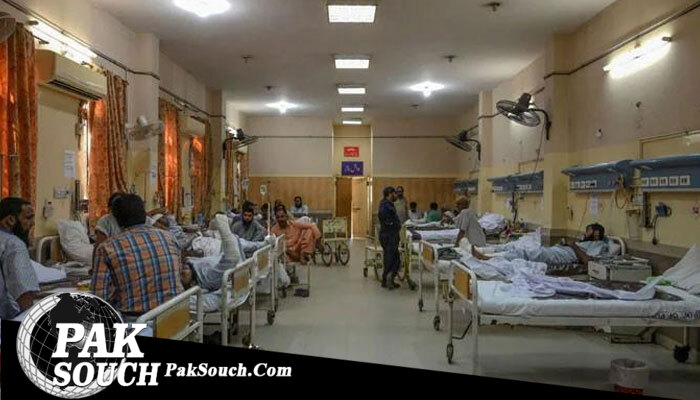
Patients visiting public hospitals in Lahore are facing significant difficulties due to the unavailability of influenza test kits. Many individuals arriving at major facilities, including Mayo Hospital, are being forced to return without receiving diagnostic tests, raising concerns about timely detection and treatment.
The Medical Superintendent (MS) of Mayo Hospital highlighted the challenge, stating that without influenza kits, testing cannot be conducted. “How can we perform tests if the kits are not available?” the MS remarked, also noting that the shortage extends to the private market, where influenza test kits are equally scarce.
The shortage comes at a critical time, as Pakistan has recently reported cases of a rapidly spreading “super flu” virus. Health authorities are concerned about the potential impact on public health, especially as global reports indicate that new strains of influenza are causing a surge in cases internationally.
According to the World Health Organization (WHO), the newly identified influenza subtype A(H3N2) subclade ‘K’ has been driving a sharp increase in cases across several European countries, including the United Kingdom. The virus has demonstrated high transmissibility, prompting health authorities worldwide to issue warnings and preparedness guidelines.
In Pakistan, surveillance samples indicate that approximately 20 percent of tested specimens contain the new A(H3N2) subclade ‘K’ virus. This discovery underscores the urgency of ensuring that diagnostic tools, such as influenza test kits, are available in hospitals to identify and contain outbreaks effectively.
The shortage has created anxiety among patients, many of whom have reported long waiting times and the inability to receive essential medical care. Health experts emphasize that early diagnosis is critical for managing influenza infections, particularly for vulnerable populations such as children, the elderly, and those with pre-existing medical conditions.
Authorities are urging both public and private sector suppliers to expedite the provision of influenza test kits. Additionally, hospitals are being advised to enhance surveillance and preventive measures to mitigate the risk of virus transmission within healthcare facilities.
The current situation highlights broader challenges in Pakistan’s healthcare infrastructure, particularly in responding to emerging infectious diseases. With influenza cases likely to rise due to the presence of the new subclade, the timely availability of testing kits, proper treatment protocols, and public awareness campaigns are considered essential for controlling the spread of the virus.
In conclusion, the lack of influenza test kits in Lahore’s public hospitals is causing considerable inconvenience for patients and poses a risk to public health. Immediate steps to address shortages, strengthen diagnostic capacity, and enhance preventive measures are crucial to safeguard communities against the rapidly spreading influenza strain.