

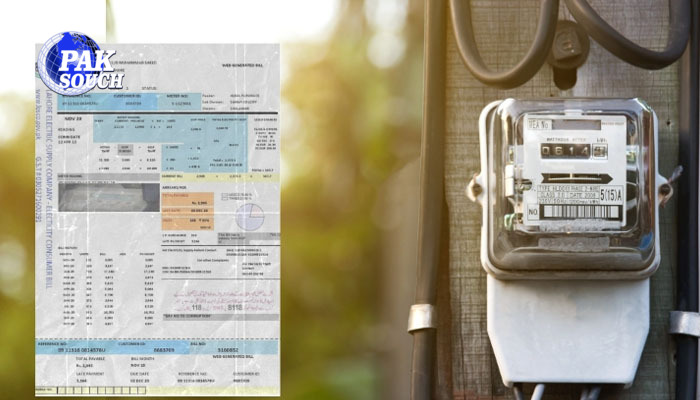
Islamabad: Officials of the Federal Board of Revenue (FBR) have informed the Senate Standing Committee on Finance that the government collected more than Rs476 billion in taxes through electricity bills during the 2025–26 fiscal year.
According to the FBR, the total collection included Rs351 billion in sales tax and Rs124 billion in income tax, highlighting the significant contribution of electricity bill-based taxation to government revenues.
Officials also presented figures from previous years, showing that:
- Rs562 billion was collected during 2024–25.
- Rs515 billion was collected during 2023–24.
- Rs313 billion was collected during 2022–23.
The committee was informed that, under withholding income tax, the government collected:
- Rs66 billion from industrial consumers.
- Rs52 billion from commercial consumers.
- Rs4.82 billion from non-filer domestic consumers.
- Rs1.37 billion from domestic consumers under Section 235A of the Income Tax Ordinance.
Regarding the Rs351 billion collected as sales tax, FBR officials provided the following breakdown:
- Rs269 billion through standard sales tax.
- Rs55 billion as additional sales tax.
- Rs55 billion as further sales tax.
- Approximately Rs16.5 billion collected from retailers through electricity bills.
The figures were shared as part of the committee’s review of tax collection and fiscal performance.
Banking Dress Code Issue Also Raised
During the same meeting, the committee discussed complaints regarding the alleged enforcement of abaya for women visiting certain bank branches.
Senator Zarqa Suharwardy Taimur said that some banks were reportedly forcing female customers to wear an abaya, raising concerns over customer rights and banking practices.
Responding to the issue, State Bank of Pakistan Governor Jameel Ahmad said the central bank has already issued clear instructions to commercial banks stating that women cannot be compelled to wear an abaya while visiting bank branches.
The Senate committee directed the State Bank to issue a formal circular reiterating these instructions and submit a compliance report to the committee.
The meeting covered both fiscal matters and consumer concerns, with lawmakers emphasizing transparency in tax collection and the need to ensure that banking services remain accessible without imposing unnecessary dress requirements on customers.
About The Author