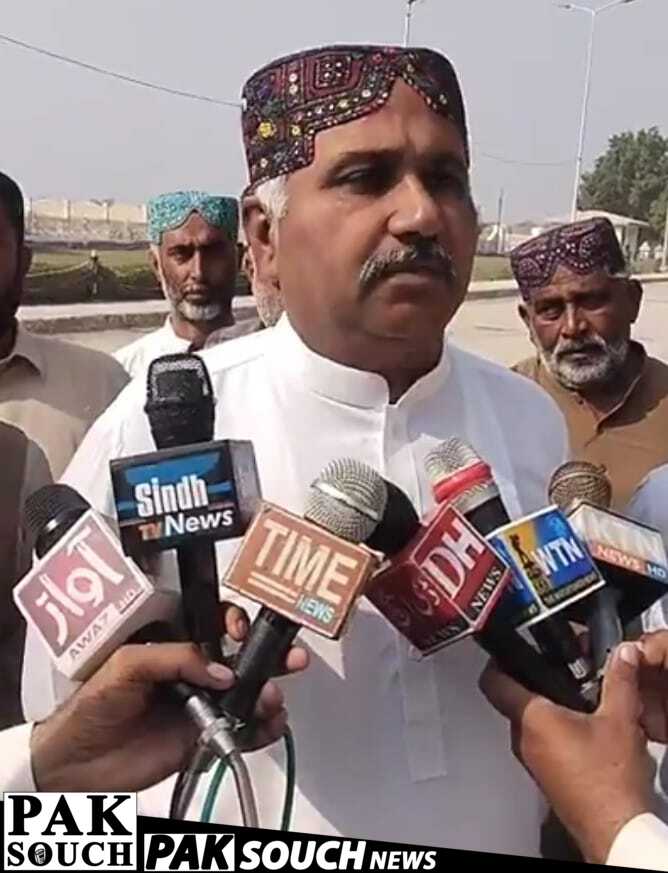
Daharki: Amid a surge in tribal clashes, killings, robberies, and kidnappings in the Kacha region, an organized citizens’ caravan has begun travelling from Kacha to the Pacca (settled) areas to seek intervention from influential tribal leaders and notables. The move reflects deep public frustration over deteriorating law-and-order conditions and growing insecurity across the region.
According to local sources, the caravan, comprising social activists, tribal elders, and political workers from multiple villages, left Kacha in protest earlier today and has already held key meetings with Mir Abid Jatoi and Sardar Ali Gohar. The group is urging tribal elites to play their role in restoring peace and preventing further bloodshed between rival factions.
Sources further disclose that the caravan will continue its journey on Thursday and is expected to arrive at the residence of Sardar Shehryar Khan Shar, where more extensive discussions on peace and conflict resolution are anticipated. The citizens’ delegation intends to highlight the fear and instability gripping the area and to press influential figures to intervene before the violence spirals further out of control.
Oath Taken on the Holy Quran to End Hostilities
Following the series of deadly confrontations, tribal leaders within Kacha reportedly placed the Holy Quran in the center and collectively swore that no group would initiate attacks or aggression in the future. This traditional method of forging peace, often used in rural conflict zones, is seen as a significant step toward reducing tensions.
Local residents say that such an oath carries deep cultural and moral weight. If honored, it could help de-escalate long-standing tribal rivalries and prevent further bloodshed.
Residents of the region, who have endured months of fear due to constant ambushes, revenge killings, and kidnappings for ransom, hope that the new oath will bring meaningful relief. However, many also stress that peace agreements must be backed by strict enforcement from both tribal leaders and government authorities.
Public Concerns Over Increasing Insecurity
Kacha, a region historically affected by tribal feuds and the presence of armed criminal groups, has once again plunged into unrest over the past several weeks. A fresh wave of attacks, including murders, highway robberies, and abductions, has triggered widespread fear among residents and disrupted daily life.
Reports suggest that several families have stopped travelling at night, while farmers have limited their activities due to insecurity. Trade and transportation routes have also been affected, with trucks and passenger vehicles avoiding certain routes known for frequent ambushes.
The citizens’ caravan reflects this growing frustration and signals a demand for urgent action not only from tribal authorities but also from government institutions responsible for maintaining law and order.
Calls for Administrative Action
Civil society groups and local residents are increasingly urging district administration and law enforcement agencies to take the deteriorating security situation seriously. They argue that without coordinated efforts from both tribal leadership and government forces, Kacha and adjoining Pacca areas cannot achieve lasting peace.
Community representatives warn that if strong action is not taken, Kacha may once again become a haven for criminal gangs involved in kidnappings, cattle theft, armed robberies, and cross-tribal violence. They insist that peace agreements must be supported by police operations, surveillance, improved patrolling, and dismantling of criminal hideouts in the riverine belt.
Caravan Led by Regional Influentials
The caravan is being led by several respected figures, including Azam Sehrani, Ramzan Klohr, Ali Bakhsh Mirani, and Amjad Shar, along with many political and social activists. Their participation adds moral weight and legitimacy to the public demand for peace.
These leaders have been vocal critics of the recent rise in violence, repeatedly insisting that the situation must not be left to deteriorate any further. According to them, tribal leaders in the Pacca areas have the authority and influence needed to push rival groups toward reconciliation and to discourage the activities of criminal networks operating in the region.
Hope for a Breakthrough
As the caravan continues its route and more high-level meetings are scheduled, local residents remain hopeful that these efforts will yield a breakthrough. The combination of tribal negotiations, public pressure, and administrative intervention could pave the way for a more stable and peaceful environment.
However, experts also caution that while oaths and peace pledges are important, only consistent monitoring and active oversight can ensure that such commitments are upheld. In the past, similar agreements collapsed due to mistrust, revenge-driven retaliation, and the influence of criminal gangs.
Conclusion
The citizens’ caravan travelling from Kacha to Pacca symbolizes a collective outcry against violence, lawlessness, and tribal conflict. It also reflects a strong desire for stability and security in a region long troubled by armed confrontations and criminal elements. As meetings with tribal chiefs continue, all eyes remain on whether these efforts will lead to lasting peace or merely a temporary pause in hostilities.