

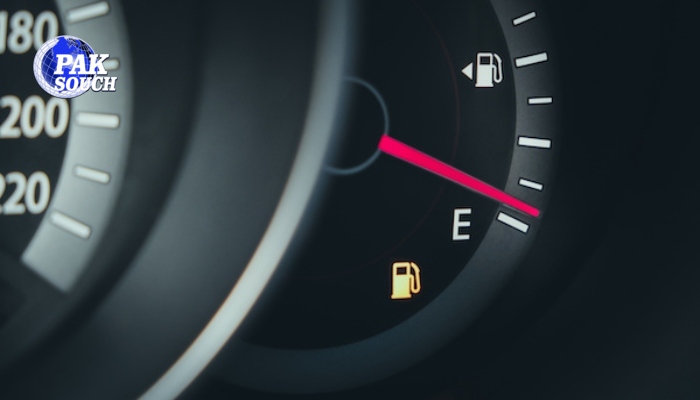
When the fuel warning light appears on your car’s dashboard, it indicates that the fuel level is running low. While it does not mean the vehicle will stop immediately, the remaining driving range depends on several factors.
The exact distance varies according to the vehicle’s make and model, its age, fuel efficiency, driving style, road conditions, and weather.
According to automotive experts, the warning light typically comes on when around 10–15% of the fuel tank’s capacity remains.
On average:
- Small cars can usually travel 20 to 30 miles (32–48 kilometres) after the warning light comes on.
- Larger vehicles, such as SUVs and some sedans with bigger fuel tanks, may travel up to 50 miles (80 kilometres) before running out of fuel.
However, these figures are only estimates. Driving on steep roads, in heavy traffic, at high speeds, or in cold weather can increase fuel consumption and reduce the remaining range. Older vehicles or those with poor fuel efficiency may also travel a shorter distance.
Experts advise drivers not to rely on the warning light as a routine indicator for refuelling. Running the fuel tank too low repeatedly can increase the risk of drawing sediment from the bottom of the tank into the fuel system and may put additional strain on the fuel pump. Although driving a short distance after the warning light appears is generally not harmful, allowing the vehicle to run completely out of fuel can lead to mechanical problems and inconvenience.
If the fuel warning light comes on, the safest approach is to refuel at the nearest available petrol station rather than trying to maximise the remaining range.
About The Author