By Staff Correspondent – Karachi, November 12, 2025
The Government of Sindh has extended the enforcement of Section 144 of the Criminal Procedure Code (CrPC) across the province for another month, effectively maintaining restrictions on public gatherings, protests, and rallies until December 12, 2025.
According to an official notification issued by the Sindh Home Department, the decision aims to maintain public order and prevent potential law-and-order disturbances in various parts of the province. The order explicitly prohibits assemblies of more than five people in public spaces and restricts demonstrations, sit-ins, and political processions during the enforcement period.
The notification states:
“In exercise of the powers conferred under Section 144 (6) Cr.P.C., the Government of Sindh hereby extends the prohibition of gatherings of five or more persons, rallies, processions, and public demonstrations throughout the province for a period of 30 days, effective immediately.”
Officials have justified the move as a preventive measure to ensure peace and security in light of the current political climate and ongoing security challenges. The extension follows multiple reports of planned protests and demonstrations by political, social, and religious groups, which authorities fear could disrupt civic life or escalate into confrontations.
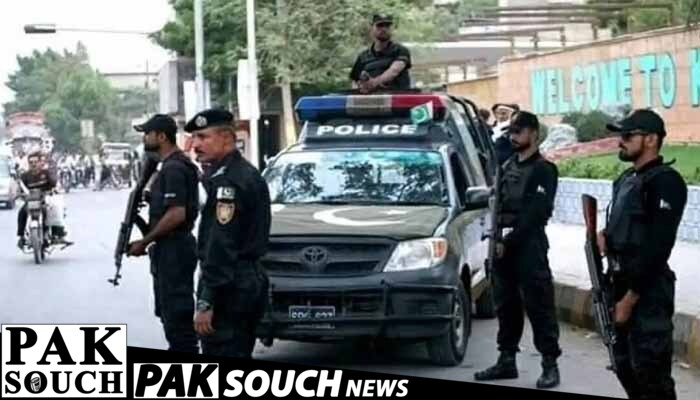
Law enforcement agencies, including the Sindh Police and Rangers, have been directed to strictly enforce the restrictions under Section 144 and to take legal action against any individual or group found violating the order. The notification empowers district administrations to monitor sensitive areas and prevent any unauthorized assemblies.
An official from the Home Department, speaking on condition of anonymity, said that the extension was made in consultation with security agencies and district officials. “Given the current situation, maintaining public order is a top priority. The government cannot afford any disruptions or violent incidents,” the official said.
Legal experts note that while Section 144 is a temporary administrative tool, it has often been used by provincial governments to preempt mass mobilizations, particularly during politically tense periods. The section empowers authorities to restrict movement, gatherings, and public events in the interest of security or public safety.
However, human rights advocates and civil society groups have frequently criticized the prolonged or repeated imposition of Section 144, arguing that it curtails fundamental freedoms guaranteed under the Constitution — including the right to peaceful assembly and freedom of expression.
“This kind of blanket ban, even if temporary, limits democratic engagement,” said a Karachi-based legal analyst. “While the government has a duty to ensure public safety, it must also balance it with citizens’ constitutional rights. The repeated extension of Section 144 raises concerns about overuse of executive authority.”