

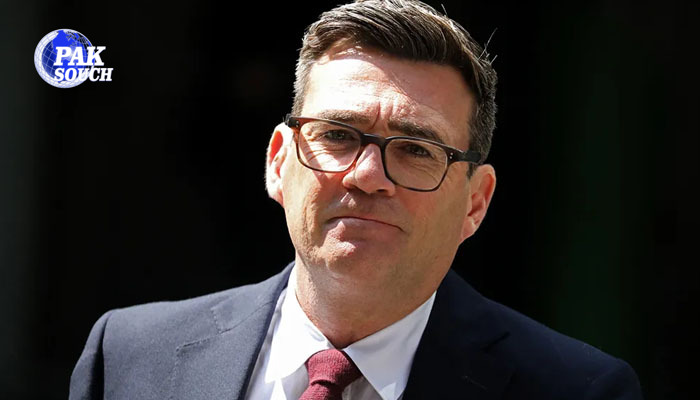
LONDON: Newly elected British Prime Minister Andy Burnham has announced the cancellation of the proposed digital identification scheme for all adult citizens, saying the funds allocated for the project will instead be redirected toward tackling inflation and supporting public welfare initiatives.
According to government sources, the decision follows widespread public opposition to the proposal, including a large petition campaign calling for the plan to be scrapped.
Digital ID Plan Abandoned
The proposed digital ID programme was intended to provide every adult citizen in the United Kingdom with a government-backed digital identity system.
However, following criticism from sections of the public and concerns raised during the consultation process, Prime Minister Burnham decided to discontinue the initiative entirely.
Government sources said the money originally earmarked for the scheme will now be used to finance measures aimed at reducing the cost of living and expanding public support programmes.
Funds to Be Redirected
Officials said the reallocation of funds reflects the new government’s priority of addressing economic challenges facing households.
The government plans to invest the resources in policies designed to ease inflationary pressures and strengthen public welfare programmes rather than proceeding with the digital identity project.
Further details regarding the revised spending plans are expected to be announced in upcoming government policy statements.
Public Opposition Influenced Decision
According to officials, the cancellation came after significant public resistance to the digital ID proposal.
A large signature campaign and criticism from civil society groups reportedly contributed to the government’s decision to abandon the project.
Opponents of digital identity systems have previously argued that such programmes could raise concerns regarding privacy, data security, and government oversight, while supporters have maintained that digital IDs can improve access to public services and reduce administrative costs.
Energy Policy
Prime Minister Burnham has also indicated support for continuing existing oil and gas drilling operations in the North Sea, signaling that his government intends to maintain current energy production while balancing broader economic and energy security objectives.
The position suggests a pragmatic approach to domestic energy supplies during a period of global market uncertainty.
Opposition Criticism
Meanwhile, Conservative Party leader Kemi Badenoch criticized Burnham’s economic and energy policies, describing them as unrealistic.
The opposition leader questioned the government’s approach to managing the economy and the country’s long-term energy strategy.
The exchange marks one of the first major political disagreements following Burnham’s assumption of office, with debates over public spending, energy policy, and economic priorities expected to remain central issues in British politics.
The government has not yet released a detailed timetable for implementing the revised spending plans, but officials say additional policy announcements are expected in the coming weeks.
About The Author