


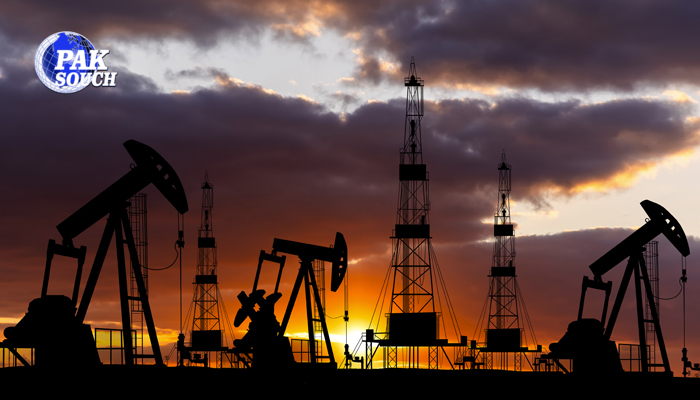
LONDON: Global crude oil prices surged by nearly 3% on Monday, reaching their highest levels in about a month, as escalating tensions between the United States and Iran fueled concerns over potential disruptions to energy supplies from the Middle East.
According to international market data, investors reacted to the continuing military confrontation between the two countries, pushing both major global oil benchmarks sharply higher.
Brent Crude Reaches Highest Level Since June 11
Brent crude, the international benchmark for oil prices, rose by $2.77, or 3.14%, to $90.87 per barrel.
The increase lifted Brent to its highest level since June 11, reflecting growing fears that prolonged instability in the region could affect global oil production and shipping routes.
The latest gain follows an already strong performance last week, when Brent prices climbed 15.9%, marking the benchmark’s largest weekly increase since April.
U.S. Crude Also Posts Strong Gains
Meanwhile, West Texas Intermediate (WTI) crude, the U.S. benchmark, rose by $2.35, or 2.85%, to $84.84 per barrel.
WTI reached its highest level since June 12, extending the sharp rally seen over the previous week.
According to market figures, WTI advanced 15.5% last week, recording its biggest weekly gain since early March.
Rising Fuel Prices in the United States
The increase in crude oil prices has also translated into higher fuel costs for consumers.
According to international media reports, the average retail price of gasoline in the United States has risen above $4 per gallon.
Reports indicate that U.S. gasoline prices have increased by more than 30% since the recent escalation in hostilities between Washington and Tehran.
Higher fuel prices are expected to affect transportation costs, consumer spending, and inflation if elevated oil prices persist.
Middle East Tensions Drive Market Concerns
Energy markets remain focused on developments in the Middle East, a region that accounts for a significant share of the world’s oil production and exports.
Traders are concerned that continued military exchanges between the United States and Iran could threaten energy infrastructure or disrupt shipping through key maritime routes such as the Strait of Hormuz, through which a substantial portion of global crude oil supplies passes.
Any disruption to production or transportation in the region could tighten global supplies and place additional upward pressure on oil prices.
Investors Closely Monitoring Developments
Market analysts say geopolitical uncertainty has become the primary driver of recent price movements, outweighing other economic factors.
Investors are closely watching diplomatic and military developments, as any further escalation could increase volatility in energy markets and affect global inflation and economic growth.
At the time of reporting, there were no clear indications that tensions between the United States and Iran were easing. Reports stated that the United States carried out further strikes against Iranian targets, while Iran launched retaliatory attacks against U.S. positions in the region.
The ongoing uncertainty has reinforced concerns over the stability of global energy supplies, keeping oil markets on high alert as the situation continues to evolve.
About The Author