

ISLAMABAD: Pakistan’s National Disaster Management Authority (NDMA) has issued a nationwide alert warning of possible flooding in major rivers, flash floods in mountainous regions, and urban flooding in low-lying areas from July 19 to July 23, as a powerful monsoon system combines with a strong westerly weather disturbance.
According to the NDMA, the weather system is expected to bring heavy to very heavy rainfall to several parts of the country, particularly Gilgit-Baltistan, Khyber Pakhtunkhwa, Azad Jammu and Kashmir (AJK), and upper Punjab, between July 20 and July 23. The authority has urged provincial governments, district administrations, and the public to remain on high alert and take precautionary measures to minimize the impact of potential flooding.
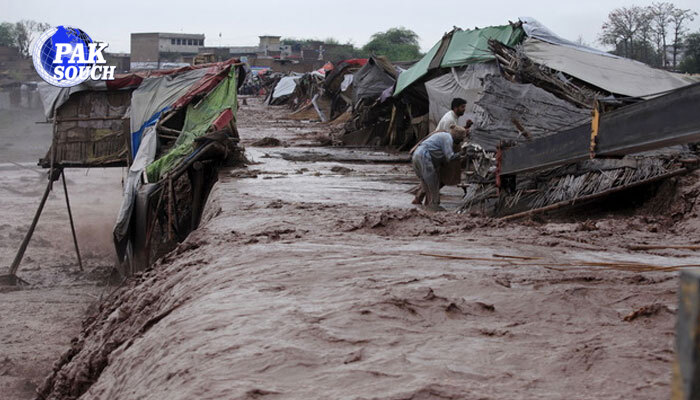
In a statement shared on social media, the NDMA said that the combination of an intense monsoon spell and a strong westerly wave could trigger dangerous weather conditions, including flash floods, overflowing hill torrents, and rising water levels in rivers and streams. Authorities warned that vulnerable communities living near rivers, nullahs, and mountainous areas should stay informed about weather updates and be prepared to respond to emergency instructions.
The disaster management authority specifically highlighted the possibility of flash flooding in Gilgit-Baltistan, Khyber Pakhtunkhwa, Azad Kashmir, and northern upper Punjab, where steep terrain and heavy rainfall can rapidly increase water flow in streams and valleys. Such conditions may lead to road closures, landslides, and damage to infrastructure, disrupting transportation and communication in affected regions.
The NDMA also forecast flood surges in the Chenab River at Marala and in the upper reaches of the Jhelum River near Mangla, where water levels may rise significantly during the forecast period. Officials are closely monitoring river conditions and coordinating with relevant departments to ensure timely response if water levels approach dangerous limits.
Apart from river flooding, the authority warned of urban flooding in low-lying areas, particularly in cities where drainage systems may struggle to cope with heavy downpours. Water accumulation on roads, underpasses, and residential neighborhoods could create hazardous conditions for commuters and residents, especially during periods of intense rainfall.
Urban flooding often causes widespread traffic disruptions, power outages, and property damage. Residents living in flood-prone neighborhoods have been advised to clear drainage channels, avoid unnecessary travel during heavy rain, and move valuables to safer locations if flooding appears imminent.
The NDMA has instructed all provincial disaster management authorities, rescue agencies, and local administrations to remain fully prepared for emergency operations. Rescue teams, heavy machinery, and relief resources have been placed on alert to respond quickly in case of flooding or other weather-related emergencies.
Citizens have also been encouraged to closely follow official weather forecasts and advisories issued by the NDMA and the Pakistan Meteorological Department (PMD). Travelers planning journeys to northern and mountainous regions have been advised to exercise caution due to the possibility of landslides, road blockages, and rapidly changing weather conditions.
The authority emphasized that tourists visiting scenic destinations in northern Pakistan should avoid camping near rivers, streams, or flood channels, as water levels can rise suddenly following heavy rainfall upstream. Local administrations have also been asked to monitor vulnerable locations and issue timely evacuation orders if necessary.
Experts note that Pakistan experiences some of its most intense rainfall during the monsoon season, with mountainous regions particularly vulnerable to flash floods because rainwater quickly flows into narrow valleys and streams. In urban areas, inadequate drainage infrastructure can worsen flooding even during relatively short periods of heavy rain.
The NDMA urged the public to remain vigilant, avoid crossing flooded roads or bridges, and report emergencies immediately to local rescue authorities. Parents have also been advised to keep children away from rivers, canals, storm drains, and fast-flowing streams during the ongoing wet spell.
Authorities reiterated that preparedness and timely action are essential to reducing the risks associated with severe weather. Emergency services will continue monitoring rainfall patterns and river flows throughout the forecast period and will issue additional advisories if conditions deteriorate.
With heavy rainfall expected to continue until July 23, the NDMA has appealed to citizens to cooperate with local authorities, stay updated through official information channels, and prioritize safety as Pakistan faces another significant monsoon weather event.
About The Author