


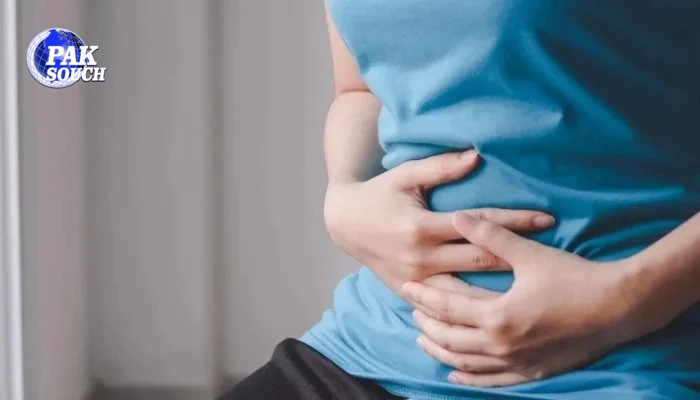
Constipation is one of the most common digestive problems, affecting an estimated 16% of the world’s population.
It can result from prolonged sitting, inadequate water intake, a low-fiber diet, lack of physical activity, certain medications, and various medical conditions.
Although it is more common among older adults, people of all ages can experience constipation. Its severity, symptoms, and underlying causes vary from person to person.
Health experts recommend several simple lifestyle changes that can help relieve or prevent constipation:
- Drink plenty of water throughout the day to keep stools soft.
- Increase fiber intake by eating fruits, vegetables, whole grains, legumes, and seeds.
- Exercise regularly, as physical activity helps stimulate bowel movements.
- Avoid delaying the urge to use the bathroom when you feel the need.
- Reduce processed and low-fiber foods, which can worsen constipation.
- Establish a regular bathroom routine, especially after meals.
- If needed, use laxatives only under medical advice, particularly if constipation is persistent or recurrent.
If constipation lasts for several weeks, is accompanied by severe abdominal pain, blood in the stool, unexplained weight loss, or persistent vomiting, medical evaluation is recommended, as it may indicate an underlying health condition.
About The Author