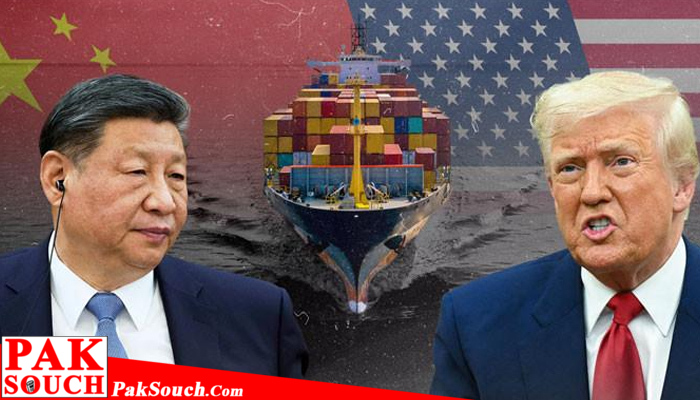
The U.S. has announced a fresh wave of tariffs targeting Chinese imports, marking one of the most aggressive trade moves in recent years. President Donald Trump declared through his social media platform, Truth Social, that beginning in November, the United States will impose an additional 100% tariff on all Chinese goods entering the country.
Trump stated that the measure aims to safeguard American manufacturers and workers from what he described as “unfair trade practices” by China. He emphasized that tougher economic actions are essential to restore balance and protect domestic industries that have long been undercut by cheap Chinese imports.
Currently, most Chinese products entering the U.S. are subject to an existing 30% tariff. With the new policy, the combined duties are expected to dramatically raise the cost of Chinese goods in American markets. The announcement immediately triggered a sharp reaction in global financial markets, with major stock indices in Asia, Europe, and the United States posting significant declines amid fears of an escalating trade war.
Economic analysts have warned that the move could disrupt global supply chains and lead to higher prices for U.S. consumers, particularly in electronics, machinery, and consumer goods sectors that heavily rely on Chinese manufacturing. Businesses with strong trade ties to China are also bracing for potential retaliatory measures from Beijing.
Just hours before the announcement, Trump had posted a lengthy message on Truth Social alleging that China had sent letters to various nations warning of restrictions on the export of rare earth minerals—materials vital for high-tech industries and clean energy technologies.
The new tariffs are expected to strain U.S.-China relations further, reviving tensions that defined the earlier trade disputes during Trump’s presidency. Economists suggest that this development could influence not only global markets but also the broader geopolitical landscape, as both nations navigate a complex web of economic and strategic competition.
The Biden administration has yet to issue an official response, though trade experts believe the decision could complicate ongoing negotiations between the two countries. Meanwhile, investors and policymakers around the world are watching closely as the next phase of the U.S.-China trade confrontation begins to unfold.