

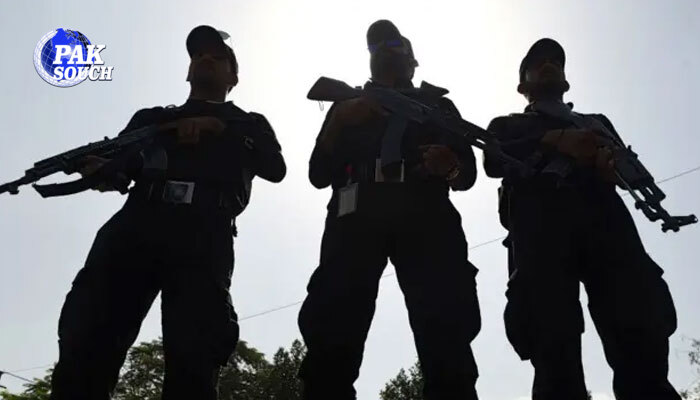
KARACHI: Four police officers have been suspended and an inquiry has been ordered following allegations that they were involved in the short-term kidnapping of a citizen during a snap-checking operation near Darakhshan Police Station in Karachi.
According to police, the incident occurred when officers stopped a citizen as part of a routine snap-checking exercise.
Police officials said that after completing the initial check, the officers allegedly kept the citizen in their vehicle and drove him around different roads instead of releasing him immediately.
The citizen has alleged that the officers demanded and received Rs50,000 before letting him go.
Following the complaint, police authorities suspended the four officers and ordered a departmental inquiry to determine the facts and fix responsibility.
The allegations are currently under investigation, and no conclusions have yet been reached regarding the officers’ conduct. Police said further action will be taken in light of the findings of the inquiry.
About The Author