


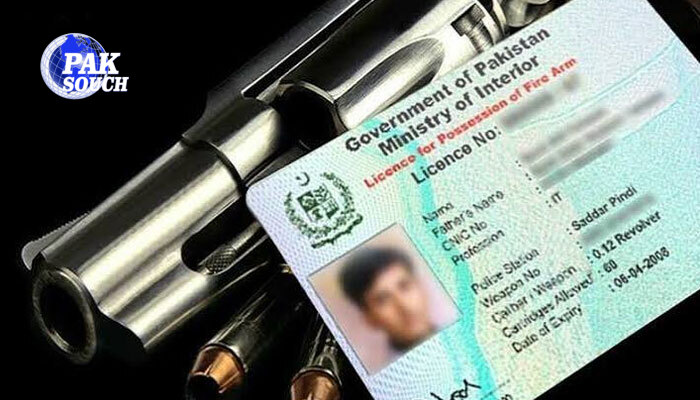
ISLAMABAD: A government audit has uncovered serious irregularities in the computerization of arms licenses in Pakistan, revealing thousands of suspicious additional licenses and raising concerns over weaknesses in record management and oversight.
According to the audit report, authorities identified 9,291 additional suspicious computerized arms licenses that do not match the official records maintained by the Ministry of Interior. The findings have prompted calls for a comprehensive investigation and the identification of those responsible for the discrepancies.
The audit found that the National Database and Registration Authority (NADRA) computerized more arms licenses than were officially issued by the Ministry of Interior. While the ministry’s records showed that 36,497 prohibited-bore arms licenses had been issued, NADRA’s database contained 44,250 computerized prohibited-bore licenses, creating a discrepancy of 7,753 licenses.
The report also revealed broader inconsistencies in the national arms licensing database. More than 186,000 arms licenses were computerized, but 10,464 of them were later declared fake, highlighting significant flaws in the verification process and raising questions about how unauthorized or fraudulent licenses entered the system.
Auditors described the discrepancies as serious administrative irregularities that require immediate attention. The findings suggest weaknesses in coordination between the Ministry of Interior and NADRA during the computerization process, resulting in conflicting records and potentially compromising the integrity of the licensing system.
The audit emphasized that maintaining accurate records of arms licenses is essential for public safety and national security. Any mismatch between official issuance records and computerized databases could make it difficult for authorities to effectively monitor licensed weapons and prevent misuse.
Following the audit observations, the relevant administration accepted the audit objection regarding the irregularities in the computerized arms licensing records. The acceptance of the audit findings is considered an important step toward addressing the issue through formal investigations.
The report recommends a thorough inquiry into the computerization process to determine how the additional licenses were entered into the system and whether any administrative negligence, procedural lapses, or deliberate misconduct occurred during data entry and verification.
It also calls for identifying and holding accountable the officials responsible for the discrepancies, while recommending improvements to verification procedures to prevent similar issues in the future.
The audit further stresses the need for stronger coordination between government institutions responsible for issuing and maintaining arms license records. Experts believe that integrating verification mechanisms and conducting regular database audits could help eliminate inconsistencies and reduce the risk of fraudulent licenses remaining in circulation.
Authorities are expected to review the audit findings and initiate corrective measures to reconcile official records with computerized databases. The investigation is also likely to examine the circumstances under which thousands of licenses were declared fake after being entered into the computerized system.
The revelations have highlighted the importance of strengthening governance, transparency, and accountability in Pakistan’s arms licensing framework to ensure that only legally issued licenses remain valid and accurately recorded in official databases.
About The Author