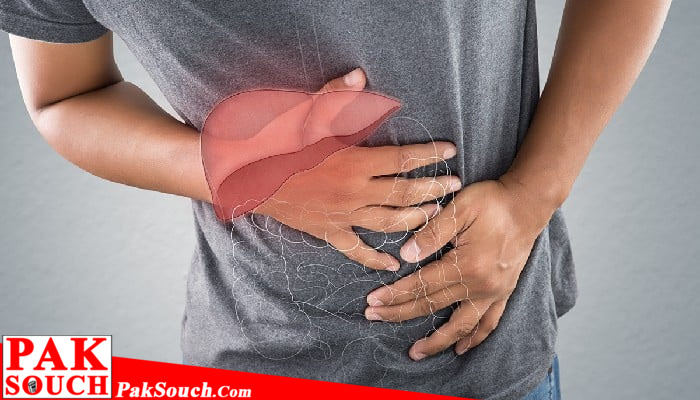
If you are someone who enjoys drinking coffee, your daily habit might be more beneficial than you think. A new study has revealed that coffee consumption can help protect the liver from life-threatening diseases and may even improve the health of those already affected.
The research, published in the journal Biochemical Pharmacology, sheds light on how coffee safeguards the liver. While earlier studies had hinted at coffee’s protective role against liver disease, this new investigation identifies the specific compounds responsible for maintaining liver health.
Coffee and Liver Protection
According to the findings, coffee contains bioactive compounds that work in multiple ways to protect the liver. These compounds reduce inflammation, prevent excessive fat accumulation, and shield liver cells from oxidative stress. As a result, regular coffee consumption is linked to a lower risk of developing conditions like liver fibrosis, cirrhosis, and even liver cancer.
One of the standout aspects of the study is that both caffeinated and decaffeinated coffee demonstrated beneficial effects. This indicates that the health benefits are not solely tied to caffeine but also to other compounds, such as polyphenols and antioxidants, which play a vital role in supporting liver health.
Not Just Any Drink
Liver diseases are a major global health concern, often caused by poor diet, alcohol consumption, viral infections, or obesity. Unlike many medical treatments, which can be expensive or inaccessible, coffee provides an affordable and easily available preventive option. However, researchers stress that moderation is important—overconsumption of coffee can have its own risks.
The study also notes that the method of preparation matters. For instance, filtered coffee was shown to be more beneficial compared to unfiltered or boiled coffee, which may contain harmful substances like cafestol that can affect cholesterol levels.
Why This Matters
The global burden of liver disease continues to rise, with millions affected every year. Preventive measures are becoming increasingly crucial, and coffee stands out as a simple lifestyle habit that can offer meaningful protection. In fact, the researchers suggest that doctors could consider recommending moderate coffee consumption as part of public health strategies to combat liver-related illnesses.
Conclusion
Coffee is not just a morning energizer—it is a potential shield against deadly liver conditions. The compounds found in coffee work to preserve liver health, offering protection against some of the most serious diseases that threaten this vital organ. While it should not replace medical treatment or healthy lifestyle practices, a daily cup of coffee may well be one of the easiest and most enjoyable ways to support long-term liver health.