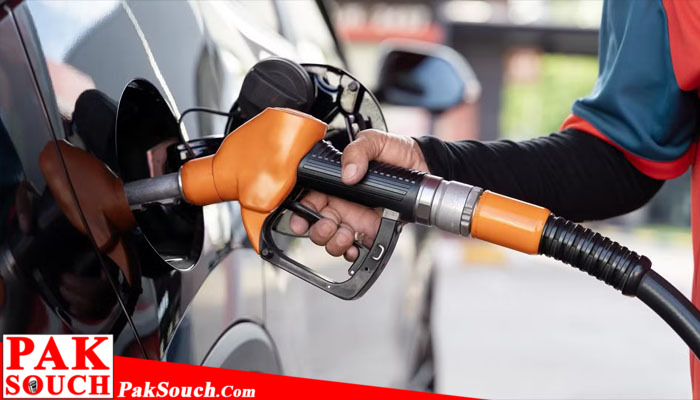
Islamabad: Starting October 1, 2025, petroleum prices in Pakistan are likely to rise again, with consumers expected to pay more for petrol and high-speed diesel (HSD) for the next fortnight. Official estimates suggest that petrol prices could increase by Rs 1.97 per liter, while HSD may see an upward revision of up to Rs 2.48 per liter.
According to government sources, the anticipated adjustment will be part of the biweekly review conducted by the Ministry of Finance in consultation with the Oil and Gas Regulatory Authority (OGRA). The review is based on fluctuations in the international crude oil market, changes in the dollar exchange rate, and geopolitical developments that continue to disrupt global supply chains.
The primary driver behind the expected hike is the volatility in international crude oil prices, which have been under upward pressure in recent weeks. Geopolitical tensions in oil-producing regions, coupled with disruptions in shipping routes and uncertainty over future supply, have further complicated the situation. These factors directly impact Pakistan’s import bill, as the country is heavily reliant on imported petroleum products to meet domestic demand.
Petrol (motor spirit) remains the most widely consumed fuel in Pakistan, powering millions of private vehicles and motorcycles. Even a slight increase in its price often triggers a chain reaction across the economy, pushing up the cost of transportation, food items, and essential goods. Similarly, HSD is considered the backbone of commercial activity, fueling heavy transport, agricultural machinery, and industrial operations. A price hike in diesel typically leads to higher freight charges, which eventually get passed on to consumers in the form of inflation.
This potential increase follows a series of fuel price adjustments throughout 2025, during which consumers have already faced multiple rounds of hikes. Analysts caution that another upward revision could place additional strain on households already grappling with rising inflation, stagnant wages, and high utility costs. For businesses, particularly in agriculture and logistics, the anticipated diesel price increase could inflate operational costs, leading to higher commodity prices across the board.
Economists argue that while Pakistan has little control over global crude markets, the government must explore strategies to shield consumers from constant shocks. These could include expanding strategic reserves, diversifying energy imports, and encouraging a gradual shift toward renewable energy to reduce reliance on imported fossil fuels. Some experts have also suggested revisiting the taxation structure on petroleum products, as levies such as the petroleum development levy (PDL) and general sales tax (GST) often amplify the impact of international price swings.
Public reaction to the looming hike has been one of concern and frustration. Commuters and small transport operators warn that even modest increases can quickly erode their earnings. Farmers, too, worry that higher diesel prices will drive up the cost of irrigation and harvesting at a time when many already face financial pressure due to climate-induced crop losses.
For the government, the challenge lies in balancing fiscal needs with public relief. Petroleum levies remain a key source of revenue, but excessive dependence on fuel taxation risks fueling inflation and public discontent. With the International Monetary Fund (IMF) closely monitoring Pakistan’s fiscal policies under its ongoing bailout program, the government has limited flexibility in freezing or subsidizing prices.
The final decision on petroleum product prices will be announced by the Ministry of Finance on September 30, and the new rates, if approved, will take effect from October 1. Until then, all eyes remain on global oil markets, whose trajectory in the coming days will determine the extent of the price adjustment