

The Foreign Office (FO) said on Wednesday that three special technical groups had been formed ahead of the second round of talks between the US and Iran, reported the 24NewsHD TV channel.
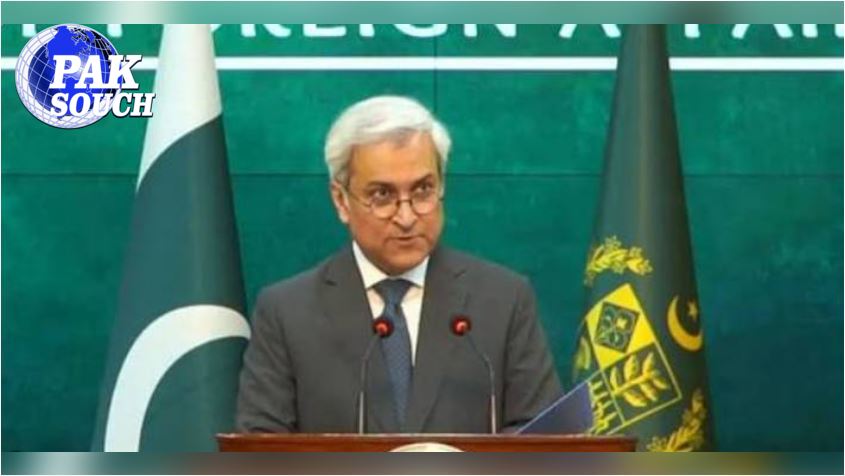
FO Spokesman Tahir Andrabi said that the first group was looking into the matters related to Iran’s nuclear programme; the second into the matters related to restrictions on the Gulf state and its frozen assets, while the third group was working on the situation in Lebanon.
He informed that technical teams of Pakistan and Qatar would remain in contact with the US and Iran.
Andrabi said that Pakistan would continue to play a constructive role for peace in the region.
He said that several countries had praised Pakistan for its efforts to broker a ceasefire between Washington and Tehran, and ultimately bring them to a negotiating table. “Pakistan welcomes the world’s appreciation of its efforts,” he said.
The spokesman also had words of praise for the Pakistani media, which, he said, had also played a positive role in helping mediate between the US and Iran.
Andrabi said that the release of Pakistani ship and members of the crew from the captivity of Somali pirates was a priority for the government, which had also held an inter-ministerial meeting on the issue. “The government is in touch with Ansar Burney, local NGOs and other organisations to secure the release of these captives,” he informed.
He said that Pakistan had condemned Israel’s bombardment on Lebanon. “We have helped in the return of 30 Iranian nationals to their country,” he added.
He reiterated Pakistan’s stance that the Taliban must not allow the Afghan soil to be used against Pakistan.
The spokesman said that both Pakistan and China were cooperating with each other in fight against terrorism.
He said he had not read the statement given by India’s national security adviser (NSA) Ajit Doval. “However, the use of foul language by him is a routine matter,” he added.
Andrabi said that whether Iran-Pakistan gas pipeline project was on the agenda of talks between Iranian president and Pakistani leadership was not in his knowledge.
He said that both Lebanon and Israel were members of the United Nations. “However, the ceasefire between the two is slightly different from the ceasefire in Gaza,” he opined.
He stressed the need for stopping Israeli atrocities in Palestine.
The spokesman said that Pakistan considered the Strait of Hormuz an important waterway. “Parties to the conflict must ensure free movement of ships through the strait,” he asserted.
AFP adds:
Pakistan said on Wednesday that technical talks that Islamabad has been mediating between the United States and Iran were set to restart next week.
“Talks will resume next week, I presume on Tuesday,” Pakistan’s foreign ministry spokesman Tahir Andrabi told journalists in Islamabad, adding next Monday or Wednesday were also possible start dates and without providing details on the location of discussions.
About The Author