


Canberra: Australia has reported its second case of highly pathogenic H5N1 bird flu, prompting authorities to intensify surveillance and testing efforts while neighboring Papua New Guinea has suspended all poultry imports from Australia as a precautionary measure.
According to international media reports, the latest case was detected in the state of South Australia, marking the second Australian state to report the presence of the highly pathogenic avian influenza virus.
Dead Birds Discovered During Monitoring
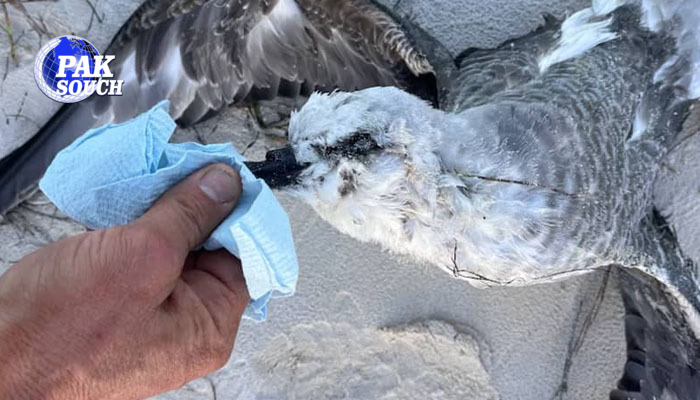
Australian authorities said that on Monday, two Antarctic seabirds and one water heron were found dead in Western Australia. The discovery triggered further investigations and testing as officials sought to determine the extent of the virus’s spread among wild bird populations.
The detection of H5N1 in another state has heightened concerns among agricultural and wildlife authorities, leading to expanded monitoring programs across affected regions.
Enhanced Surveillance Underway
Following confirmation of the new case, Australian officials have accelerated disease surveillance and laboratory testing efforts.
According to media reports, ground monitoring teams and drone surveys are being deployed along breeding sites for seabirds and other wildlife on the western and far-western coasts of South Australia. The objective is to identify additional infected animals and assess the scale of the outbreak.
Authorities stated that 11 samples have been submitted for testing, and there is an expectation that a third case of the virus may soon be confirmed.
Papua New Guinea Halts Poultry Imports
In response to the outbreak, neighboring Papua New Guinea announced the suspension of all poultry imports from Australia.
The move is intended to protect the country’s domestic poultry industry from the risk of disease transmission and reflects growing regional concern about the spread of avian influenza.
Trade and agricultural authorities are expected to continue evaluating the situation as additional test results become available.
No Immediate Risk to Humans, Says Minister
Australia’s Minister for Agriculture sought to reassure the public, stating that there is currently no evidence of a threat to human health from the detected cases.
The minister emphasized that poultry products remain safe for consumption.
“Chicken meat and eggs, when prepared and cooked in the usual manner, remain completely safe to eat,” the minister said.
Health authorities continue to monitor the situation closely and have advised the public to avoid direct contact with sick or dead wild birds and to report unusual wildlife deaths to local officials.
Global Concern Over H5N1
The H5N1 strain of bird flu has spread to multiple countries in recent years, affecting wild birds, poultry farms, and in some cases mammals. The virus has caused significant economic losses to the poultry industry worldwide and has prompted governments to strengthen biosecurity measures.
Recent outbreaks in various parts of the world have led to large-scale culling of poultry and increased surveillance of migratory bird populations. Scientists continue to monitor the virus closely due to concerns about its spread among animal species and its potential public health implications.
Authorities Remain Vigilant
Australian officials say they are working with wildlife experts, veterinary authorities, and public health agencies to contain the outbreak and monitor any further developments.
While authorities stress that the current risk to the general public remains low, the discovery of additional infected birds has underscored the importance of ongoing surveillance and rapid response measures.
As testing continues and further results are analyzed, officials are expected to provide updates on the outbreak and any additional containment measures that may be required to protect wildlife, agriculture, and public health.
About The Author