

Muscat/Tehran: Iranian Parliament Speaker Mohammad Bagher Ghalibaf has confirmed that negotiations held in Switzerland have resulted in the finalization of an agreement for the release of $12 billion in frozen Iranian assets, marking a significant development in ongoing diplomatic efforts involving Iran and international stakeholders.
The announcement comes amid broader discussions concerning regional security, maritime navigation in the Strait of Hormuz, economic sanctions, and political stability in the Middle East.
Agreement Reached on Frozen Assets
Speaking after the latest round of diplomatic engagements, Ghalibaf stated that signatures required to finalize the release of $12 billion worth of frozen Iranian assets had been completed during negotiations in Switzerland.
The assets had been restricted under various sanctions and financial measures imposed on Iran over the years. The release of a portion of these funds is being viewed as an important step in easing economic pressures on the country.
Iranian officials have welcomed the development, describing it as a positive outcome of ongoing diplomatic negotiations.
While detailed information regarding the timing and mechanism of the asset release has not yet been made public, the agreement is expected to have significant economic implications for Iran.
Iranian Delegation Arrives in Oman
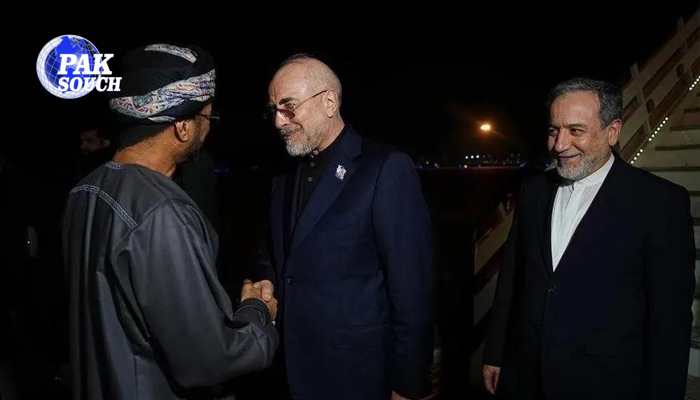
At the same time, Iranian Parliament Speaker Mohammad Bagher Ghalibaf and Foreign Minister Abbas Araghchi arrived in Oman for discussions related to developments in the Strait of Hormuz.
Oman has frequently served as a venue for regional diplomacy and dialogue due to its longstanding role as a mediator between various countries in the region.
The talks are focused on maritime security, navigation arrangements, and measures aimed at reducing tensions in one of the world’s most strategically important waterways.
Agreement on Maritime Communication System
Ghalibaf announced that participating parties had agreed to establish a communication and coordination mechanism regarding shipping traffic in the Strait of Hormuz.
According to him, the initiative is intended to prevent misunderstandings, accidental confrontations, and potential escalation in the region.
“We have agreed to establish a communication system concerning vessel movements in the Strait of Hormuz. The objective is to avoid any form of conflict or tension,” he said.
The Strait of Hormuz remains a critical global energy corridor through which a substantial share of the world’s oil and gas exports pass each day.
Any disruption in the waterway can have significant consequences for international energy markets and global trade.
Understanding on Lebanon’s Sovereignty
The Iranian Parliament Speaker also stated that discussions linked to the Switzerland negotiations included agreements concerning Lebanon’s territorial integrity and sovereignty.
According to Ghalibaf, participating parties agreed on principles aimed at supporting Lebanon’s independence and regional stability.
Although specific details have not been disclosed, the remarks suggest that broader regional issues formed part of the diplomatic discussions alongside economic and security matters.
Lebanon has remained an important topic in regional diplomacy due to ongoing political, economic, and security challenges facing the country.
Easing of Restrictions on Iranian Oil Sales
The latest developments follow reports that the United States has lifted restrictions on Iranian oil sales, creating an opportunity for Iran to export petroleum products more freely for a limited period.
Under the reported arrangement, Iran would be able to sell petroleum products internationally, including to various global markets, for a period of approximately two months.
The easing of restrictions is seen as a potentially significant boost for Iran’s economy, which has faced years of sanctions affecting energy exports and foreign revenue.
Iranian authorities have confirmed that certain restrictions have been eased and that some previously frozen assets are being restored.
Confirmation from Iranian Officials
Iranian officials have publicly acknowledged the recent developments, describing them as evidence that diplomatic engagement can produce practical results.
Government representatives stated that the easing of sanctions and restoration of some financial assets could help improve economic conditions and facilitate greater participation in international trade.
Economic analysts note that access to additional financial resources could support government spending, trade activities, and broader economic recovery efforts.
Remaining Restrictions Still in Place
Despite the reported easing of some sanctions, not all restrictions have been removed.
According to U.S. Treasury Secretary Scott Bessent, prohibitions related to Iranian oil purchases remain in effect for certain countries and jurisdictions.
He stated that restrictions concerning North Korea, Cuba, and Ukraine remain unchanged with respect to the purchase of Iranian oil.
The comments indicate that while some measures may have been relaxed, significant elements of the sanctions framework continue to remain in place.
Regional and Global Significance
The combination of asset releases, maritime security discussions, and adjustments to sanctions policies represents a notable diplomatic development with implications beyond Iran.
Regional observers believe the agreements could contribute to reducing tensions, improving economic conditions, and supporting dialogue on broader security issues.
The Strait of Hormuz remains central to global energy security, while the release of frozen assets could strengthen Iran’s economic position and influence future negotiations.
Looking Ahead
As diplomatic discussions continue in Oman and other venues, attention will focus on the implementation of agreements reached in Switzerland and the practical effects of sanctions relief measures.
The finalization of the $12 billion asset-release agreement, coupled with efforts to establish maritime communication mechanisms and support regional stability, suggests that multiple diplomatic tracks are moving forward simultaneously.
Whether these developments lead to longer-term agreements and broader normalization efforts will depend on future negotiations, implementation of commitments, and continued cooperation among the parties involved.
About The Author