

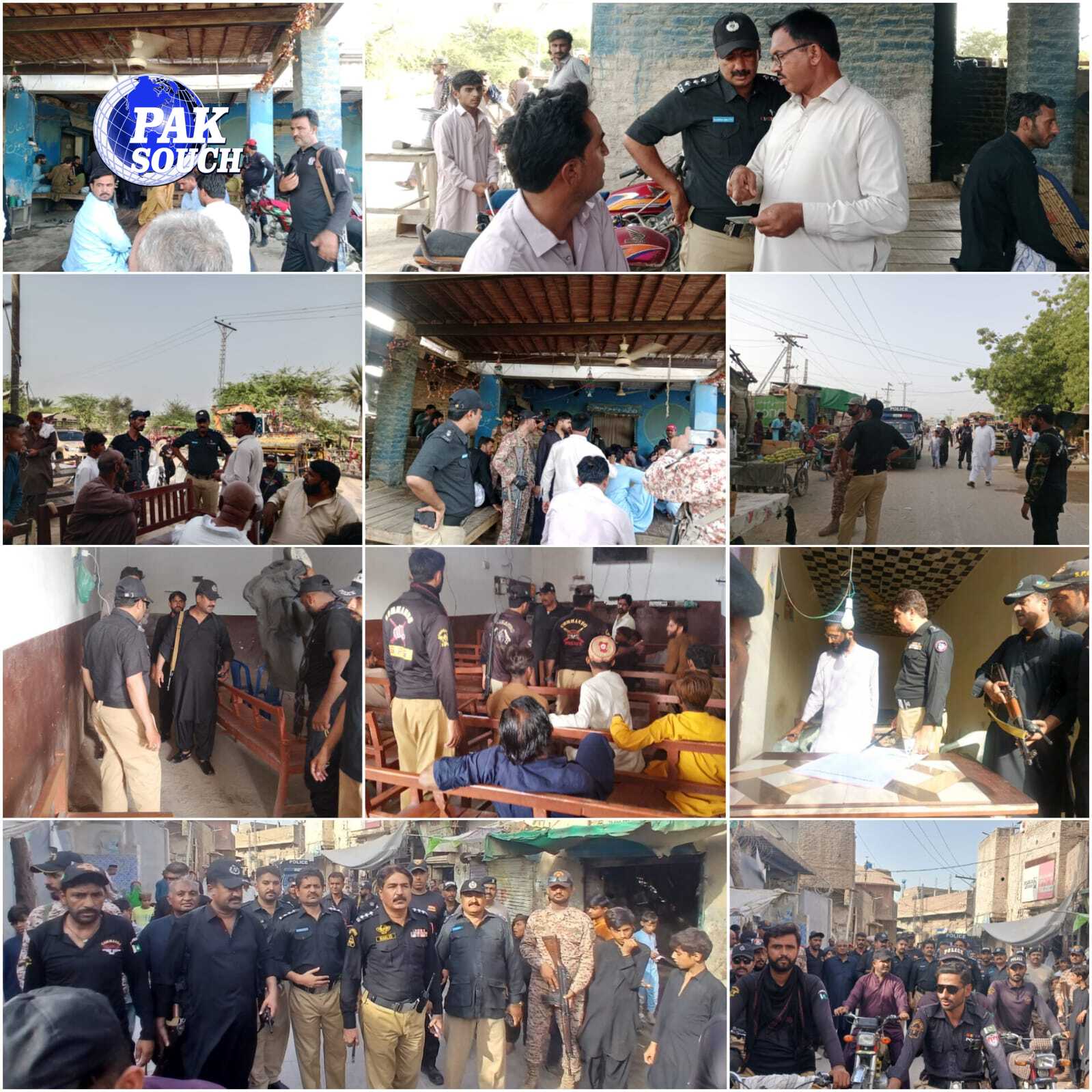
Sukkur, June 19, 2026: Sukkur Police, in collaboration with Pakistan Rangers, are continuing joint search and combing operations across Sukkur city and Rohri to ensure a peaceful environment during Muharram-ul-Haram, following directives issued by Senior Superintendent of Police (SSP) Sukkur Azhar Khan.
According to a press release issued by the Sukkur Police spokesperson, the operations are being conducted under the supervision of the SDPO Site Area and SDPO Rohri. The initiative aims to maintain law and order, prevent any untoward incidents, and strengthen security arrangements ahead of the religious observances associated with Muharram.
The joint operations have been carried out in various sensitive and strategically important areas of Sukkur and Rohri. Police and Rangers personnel have conducted extensive searches and verification exercises to identify potential security threats and ensure public safety.
During the operation, security teams thoroughly inspected the entry and exit routes of mourning processions, which are expected to witness large gatherings during Muharram. Authorities also conducted searches at hotels, guest houses, bus terminals, railway stations, and other locations considered sensitive from a security perspective.
In addition to physical inspections, officials carried out biometric verification and checked identification documents of suspicious individuals to prevent any unauthorized or potentially dangerous persons from exploiting the occasion.
Law enforcement agencies stated that these preventive measures are part of a comprehensive district-wide security strategy designed to ensure the peaceful conduct of mourning processions and religious gatherings throughout Muharram.
SSP Sukkur Azhar Khan emphasized that maintaining peace and order during the sacred month remains the foremost responsibility of the police force.
“Ensuring peace and security during the holy days of Muharram is the top priority of Sukkur Police. The district-wide security plan is being implemented in full, and any anti-social or anti-state element attempting to disrupt peace will be dealt with firmly,” he said.
The SSP noted that all available resources are being utilized to ensure the safety of participants attending processions and religious assemblies. Enhanced patrols, intelligence-based monitoring, and close coordination among security agencies have been incorporated into the overall security framework.
He further stated that Sukkur Police, Pakistan Rangers, and other law enforcement institutions are working in complete coordination to ensure that all religious activities are conducted in a peaceful and secure atmosphere.
“Sukkur Police, Rangers, and other law enforcement agencies are performing their duties with full harmony and coordination so that all mourning processions and Majalis-e-Aza can take place in a peaceful environment,” SSP Azhar Khan added.
Authorities believe that proactive search and combing operations play an important role in preventing security threats and strengthening public confidence during religious events. Such operations are routinely conducted before major gatherings to identify suspicious activities and maintain vigilance.
Police officials have also urged citizens to cooperate with security personnel during checking and verification procedures. They encouraged members of the public to report any suspicious individuals, activities, or unattended objects to the relevant authorities immediately.
The spokesperson for Sukkur Police said that the ongoing operations would continue throughout Muharram as part of broader efforts to ensure the safety of mourners and residents across the district.
Officials expressed confidence that the coordinated efforts of police, Rangers, and other security agencies would help maintain peace and allow all religious processions and gatherings to be held without disruption.
The security measures reflect the administration’s commitment to safeguarding public order during one of the most significant periods of the Islamic calendar and ensuring that citizens can observe Muharram in a secure and peaceful environment.
About The Author