

Islamabad: The President of Pakistan has summoned sessions of both houses of Parliament, while the federal government is expected to present the budget for the fiscal year 2026–27 on June 12.
According to official details, President Asif Ali Zardari, acting on the advice of Prime Minister Shehbaz Sharif, has called meetings of both the National Assembly and the Senate. The move marks the beginning of the parliamentary process leading to the presentation and approval of the country’s annual financial plan.
The National Assembly session has been scheduled for 5:00 p.m., while the Senate session will commence at 4:00 p.m. on the same day. Lawmakers from both the treasury and opposition benches are expected to participate in discussions concerning the government’s legislative and financial agenda.
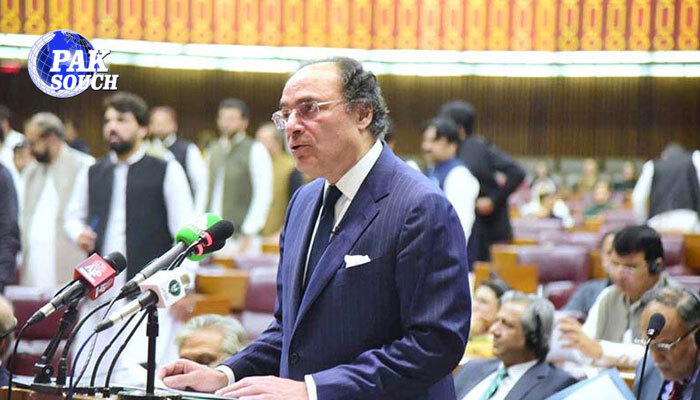
Federal Minister for Parliamentary Affairs Tariq Fazal Chaudhry, in a statement shared on social media, indicated that the federal budget is likely to be presented on June 12. He stated that Finance Minister Senator Muhammad Aurangzeb will present the budget for the fiscal year 2026–27 before the National Assembly.
The annual budget is one of the most important financial documents of the government, outlining projected revenues, expenditures, taxation measures, development allocations, and economic priorities for the upcoming fiscal year. The budget also serves as a roadmap for the government’s economic strategy and policy direction.
Government officials have been engaged in extensive consultations over recent weeks to finalize the budget proposals. Meetings have been held with various ministries, economic experts, business representatives, and international financial institutions to determine revenue targets and expenditure plans. The budget is expected to reflect the government’s efforts to balance fiscal discipline with economic growth and public welfare.
Economic observers believe that the upcoming budget will be closely watched due to the country’s ongoing economic challenges, including inflationary pressures, debt obligations, revenue generation concerns, and the need to maintain financial stability. Analysts expect the government to announce measures aimed at increasing tax collection, encouraging investment, supporting exports, and protecting vulnerable segments of society.
The federal budget presentation comes at a time when Pakistan is seeking to strengthen economic recovery and improve key financial indicators. Policymakers are expected to focus on maintaining macroeconomic stability while creating opportunities for sustainable growth and employment generation.
Once the budget is presented in the National Assembly, lawmakers will begin debating its various provisions. Members of Parliament will have the opportunity to discuss proposed expenditures, taxation policies, development programs, and allocations for different sectors of the economy. Following the debate, recommendations and amendments may be considered before the final approval process.
The Senate, although not directly responsible for approving money bills, plays an important advisory role by reviewing the budget and offering recommendations. Senate committees often examine budgetary proposals in detail and provide input on matters affecting different regions and sectors.
Among the key areas expected to receive attention in the new budget are infrastructure development, education, healthcare, energy, agriculture, information technology, and social welfare programs. The government may also announce initiatives designed to attract foreign investment and support industrial growth.
Business communities and investors are awaiting the budget announcement to assess potential changes in taxation, import duties, incentives, and regulatory policies. The budget’s impact on inflation, consumer spending, and overall economic activity will also be closely analyzed by economists and financial institutions.
In recent years, budget sessions have generated significant debate among political parties, with opposition members often criticizing government policies and proposing alternative approaches. Similar discussions are expected during the upcoming parliamentary proceedings.
As Parliament prepares to convene, attention is now focused on Finance Minister Muhammad Aurangzeb, who is expected to unveil the government’s fiscal plan for the next financial year. The budget will outline how the government intends to manage public finances, fund development projects, and address economic challenges while pursuing its broader national objectives.
The presentation of the federal budget on June 12, if confirmed, will mark a crucial moment for Pakistan’s economy and set the course for government spending and economic policymaking during the 2026–27 fiscal year.
About The Author