Khartoum, September 2025 — In one of the deadliest natural disasters in Sudan’s recent history, at least 1,000 people have lost their lives after days of torrential rains triggered a massive landslide in the Marra Mountains region of western Sudan. The catastrophe, which struck the remote village of Taraseen, has left the area devastated and prompted urgent appeals for international assistance.
Torrential Rains and Sudden Collapse
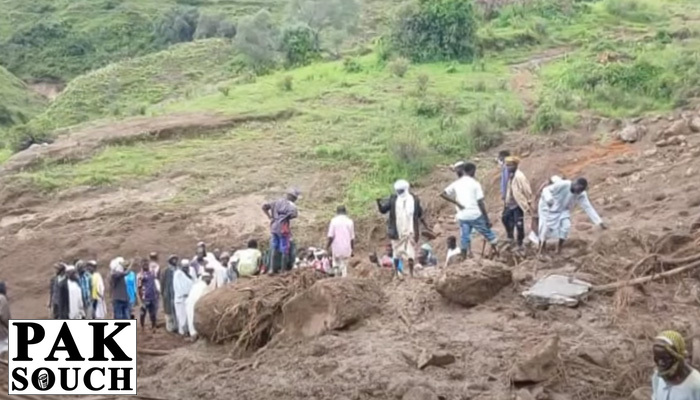
According to reports from local groups, including the Sudan Liberation Movement (SLM), the region has been battered by continuous rainfall for several days. The heavy downpours saturated the soil and destabilized the mountainous terrain, eventually causing large sections of land to collapse. The resulting landslide swept through Taraseen village with overwhelming force, burying homes, farmland, and hundreds of residents under tons of mud and debris.
Eyewitnesses describe a horrifying scene. Residents heard a deep rumbling before walls of earth and rock came crashing down, engulfing houses and trapping families inside. “The entire village was swallowed within minutes,” said one SLM spokesperson. “People had no chance to run.”
Death Toll and Survivors
Initial assessments indicate that nearly the entire population of Taraseen has been lost. The Sudan Liberation Movement confirmed that “at least 1,000 lives have been claimed” in the disaster, though the true number may rise as recovery efforts continue. In a shocking revelation, local sources reported that only a single individual was pulled out alive from the wreckage, underscoring the scale of destruction.
Bodies remain trapped beneath layers of mud, boulders, and collapsed structures, making recovery efforts extremely difficult. The lack of specialized equipment and limited accessibility to the remote mountainous region have further slowed the rescue mission.
Appeal for International Assistance
The SLM has urgently appealed to the United Nations and international humanitarian organizations for support in retrieving bodies, providing emergency relief, and preventing outbreaks of disease. “We lack the machinery, medical resources, and manpower to deal with a disaster of this magnitude,” said a statement issued by the group. “Without urgent assistance, the situation will deteriorate further, with survivors at risk from waterborne diseases, hunger, and trauma.”
International humanitarian watchdogs have expressed concern that the disaster struck in a country already struggling with internal conflict, economic crisis, and limited infrastructure. Sudan’s humanitarian situation has been fragile for years, and this tragedy adds another layer of suffering to its population.
A Region Already in Turmoil
The Marra Mountains, located in Darfur, have long been a region marked by conflict and displacement. Communities in the area are vulnerable not only to violence but also to environmental shocks, as climate change intensifies extreme weather patterns. Prolonged rainy seasons, followed by flooding and landslides, have become increasingly common in recent years.
Experts say that fragile housing structures and unregulated settlements on unstable slopes made Taraseen especially vulnerable to a disaster of this kind. “These communities often build their homes where land is available, without considering the risks of landslides or floods,” said a regional climate analyst. “Unfortunately, poverty and conflict leave people with no safer options.”
The Human Toll
The emotional devastation among surviving relatives is immeasurable. Families have lost multiple generations in a single night. With nearly every household in Taraseen impacted, grief has spread across neighboring communities. Rescue workers reported harrowing scenes of villagers digging with bare hands to find loved ones, their cries echoing across the rain-soaked mountains.
The loss also extends beyond human life. The fertile farmlands around Taraseen, which served as a primary source of food and livelihood for the community, have been buried under debris. Livestock and stored food supplies were also destroyed, raising fears of acute food shortages in the weeks ahead.
Climate Change and Future Risks
Environmental experts stress that the disaster underscores the urgent need for climate adaptation strategies in vulnerable countries like Sudan. Climate change has been linked to increasingly erratic rainfall patterns in East Africa and the Sahel, often bringing either devastating floods or prolonged droughts.
“In fragile ecosystems such as Sudan’s, where deforestation and poor land management are widespread, the risks of landslides are multiplied,” noted an environmental scientist working with a regional NGO. “The international community must understand that what happened in Taraseen could happen again in other areas unless preventive measures are taken.”
Challenges to Relief Operations
Aid workers face enormous challenges in reaching the affected areas. The Marra Mountains are difficult to access, with limited roads often washed out by rains. In addition, ongoing security concerns in Darfur complicate the movement of international organizations. Relief teams require not only logistical support but also assurances of safe passage.
The Sudanese authorities, already stretched thin by multiple crises, have yet to announce a coordinated national relief plan. Local communities are therefore relying heavily on grassroots groups and international appeals.
International Response and Solidarity
Although still early, calls for solidarity have begun to emerge. Regional governments in Africa and international agencies have expressed condolences and signaled willingness to assist. Humanitarian groups are urging the global community not to overlook the disaster amid other international crises.
“This is not just a Sudanese tragedy; it is a human tragedy,” said a representative of a leading humanitarian organization. “Thousands of lives have been lost in silence, and the survivors must not be abandoned.”
Looking Ahead
As heavy rains continue in parts of Sudan, fears remain that further landslides or flooding could strike vulnerable communities. Relief experts are pushing for immediate deployment of helicopters, heavy machinery, and medical teams to prevent further loss of life.
For Sudan, still reeling from years of conflict and instability, the Taraseen landslide represents both a humanitarian and environmental wake-up call. The tragedy has highlighted the deadly consequences of climate extremes, poor infrastructure, and the absence of coordinated disaster preparedness.
While the world watches, the people of Taraseen and surrounding villages wait for help — mourning their dead, fearing for their future, and hoping that the international community will respond swiftly to one of the darkest moments in Sudan’s recent history.