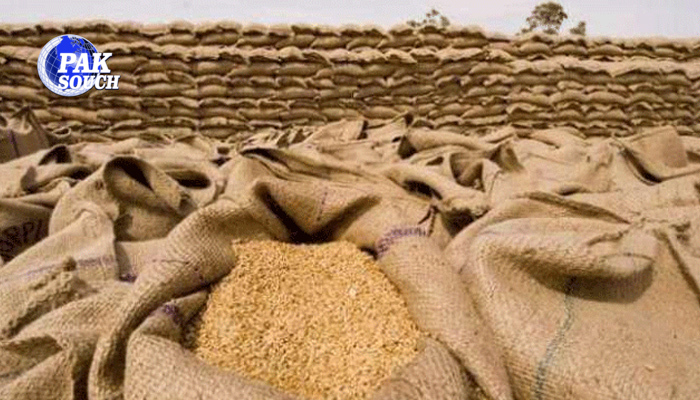
PESHAWAR: The Khyber Pakhtunkhwa (KP) government has announced plans to purchase 225,000 tons of wheat from farmers in an effort to support growers and address food supply concerns in the province.
The announcement was made by KP Finance Adviser Muzammil Aslam, who stated that the provincial government would procure wheat using its own financial resources.
According to the adviser, the government will purchase wheat at a rate of Rs3,500 per maund, providing direct financial support to farmers during the current procurement season.
Muzammil Aslam further said that payments to farmers would be made within 24 hours after the delivery of wheat, a move aimed at ensuring timely compensation and reducing financial difficulties for growers.
“The Khyber Pakhtunkhwa government is going to purchase 225,000 tons of wheat from farmers through its own resources,” he said.
The decision comes at a time when concerns regarding wheat availability, flour prices, and food security remain significant issues across various parts of the country.
Provincial authorities say the procurement initiative is intended to stabilize the wheat market, support local agriculture, and provide relief to farmers facing rising production costs.
The announcement also follows growing political and public concern over flour shortages, gas supply disruptions, and deteriorating law and order conditions in the province.
According to reports, the provincial government, opposition parties, and the Governor of Khyber Pakhtunkhwa recently held discussions regarding these challenges and appeared to reach a consensus on the seriousness of the situation.
During a meeting held in Peshawar, Chief Minister Ali Amin Gandapur stated that gas load-shedding and the flour crisis had increased difficulties for the public, while the security situation remained a major challenge for the provincial administration.
He also criticized the federal government, alleging that the province was not being provided its constitutional rights and due share of resources.
Agriculture experts say timely wheat procurement can help protect farmers from market uncertainty and prevent exploitation by middlemen. They also note that quick payment mechanisms are important for ensuring liquidity for growers during the harvesting season.
The wheat procurement policy is expected to benefit thousands of farmers across the province, particularly in rural areas where agriculture remains a major source of income and employment.
Analysts believe the move may also help the provincial government manage potential shortages and maintain stable flour supplies in local markets amid broader economic and energy-related challenges.
The KP government has indicated that detailed procurement mechanisms and operational arrangements will be finalized to ensure transparency and smooth implementation of the wheat purchase program.
About The Author