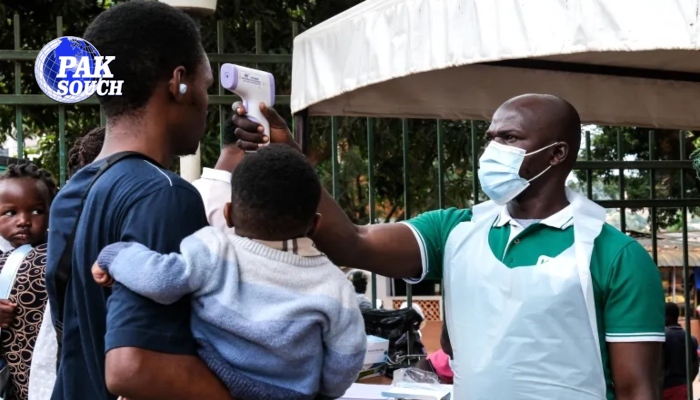
The World Health Organization (WHO) has declared the spread of Ebola in the Democratic Republic of Congo and Uganda a Public Health Emergency of International Concern, raising alarms over the risk of the virus spreading to neighboring countries.
According to health authorities, more than 300 suspected cases and at least 88 deaths have so far been reported across the affected regions.
In a social media statement issued on May 17, WHO Director-General Dr. Tedros Adhanom Ghebreyesus said that although the outbreak had not yet reached full pandemic emergency levels, the risk of cross-border transmission remained extremely high.
Medical experts confirmed that the outbreak involves a specific strain known as Bundibugyo virus disease (BVD), a rare form of Ebola for which there are currently no approved vaccines or treatments available.
While Congo and Uganda have experienced more than 20 Ebola outbreaks in the past, this is only the third time that the Bundibugyo strain has been identified in the region.
The WHO warned that the actual number of infections could be significantly higher than currently reported due to difficulties in tracking cases in remote and conflict-affected areas.
Most of the confirmed and suspected cases have been detected in the eastern Ituri province of Congo, a region located near the borders of Uganda and South Sudan.
The Africa Centres for Disease Control and Prevention (Africa CDC) reported 336 suspected cases and 87 deaths linked to the outbreak.
Uganda officially confirmed its first imported Ebola case on May 16, stating that the infected individual had arrived from Congo and later died from the disease.
The WHO has since confirmed another Ebola case in Uganda but indicated that the second case does not appear to be directly linked to Congo.
Health authorities are now intensifying surveillance, contact tracing, and emergency response measures to contain the spread of the virus.
The WHO advised that confirmed patients should be immediately isolated while local movement restrictions should be implemented for at least 21 days in affected communities.
The organization also recommended temporary controls on international travel linked to high-risk exposure areas, though it emphasized that countries should avoid completely closing borders or imposing severe restrictions on trade and travel.
“Travel and trade bans are not recommended,” the WHO stressed, warning that such measures could disrupt humanitarian aid and regional cooperation.
Ebola is a highly dangerous viral disease that affects both humans and animals. Symptoms usually begin within two to three weeks after infection and commonly include fever, sore throat, muscle pain, weakness, and headaches.
As the disease progresses, patients may suffer vomiting, diarrhea, skin rashes, and reduced liver and kidney function. In severe cases, internal and external bleeding can occur, significantly increasing the risk of transmission.
The virus spreads through direct contact with bodily fluids of infected individuals or contaminated materials. Outbreaks are often difficult to control in areas with limited healthcare infrastructure.
Health experts say rapid detection, isolation, public awareness, and international cooperation are critical to preventing wider regional spread.
The declaration of a global public health emergency is intended to mobilize international resources, funding, and coordinated action to help affected countries strengthen healthcare responses and contain the outbreak.
About The Author