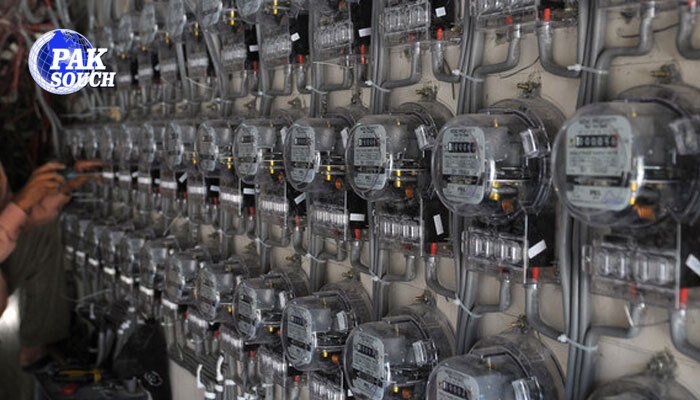
ISLAMABAD: It has been revealed that electricity consumers in Pakistan are being charged nearly Rs9 per unit in additional taxes through their power bills, further increasing the financial burden on domestic and industrial users already struggling with rising utility costs.
According to reports, the Federal Board of Revenue (FBR) has increasingly used the energy sector as a major source of tax collection, resulting in multiple layers of taxes and surcharges being imposed on electricity consumers across the country.
Officials and analysts say that various categories of taxes are being added to electricity bills under different headings, significantly increasing the overall amount payable by consumers beyond the actual cost of electricity consumption.
Reports indicate that a total of six different types of taxes and duties are currently included in electricity bills. These include an 18 percent General Sales Tax (GST), income tax, advance income tax, and several other charges collected through the billing system.
As a result, consumers are effectively paying up to approximately Rs9 extra per unit in taxes and additional levies, making electricity increasingly unaffordable for many households and businesses.
Economic experts warn that the growing tax burden on electricity bills is contributing to inflationary pressures and raising production costs for industries, which may ultimately affect economic growth and employment opportunities.
Industrial representatives have expressed concern that high electricity costs combined with heavy taxation are reducing the competitiveness of Pakistani industries in both domestic and international markets. Business leaders argue that increasing power tariffs and tax-related charges are making manufacturing operations more expensive, especially for export-oriented sectors.
Domestic consumers are also facing mounting financial pressure due to rising utility expenses. Many citizens have complained that electricity bills have become difficult to manage because taxes, duties, and fixed charges substantially increase the payable amount each month.
Energy sector observers say the government relies heavily on indirect taxation through utility bills because it provides a relatively efficient mechanism for revenue collection. However, critics argue that such measures disproportionately affect middle-income and lower-income consumers who already face economic hardships.
The issue of taxation on electricity bills has repeatedly been debated in parliament, business forums, and public discussions, with demands for relief measures and reforms in the billing structure.
Experts believe that reducing the tax burden on electricity could provide immediate financial relief to consumers and support industrial growth by lowering operational costs. They also suggest that broader tax reforms and expansion of the tax base could reduce dependence on utility-based taxation.
Meanwhile, consumer rights groups have urged the government and regulatory authorities to increase transparency in electricity billing by clearly separating taxes, duties, fuel adjustments, and service charges so that consumers can better understand the components of their monthly bills.
The revelation comes at a time when Pakistan continues to face serious energy and economic challenges, including inflation, rising fuel prices, circular debt in the power sector, and pressure to increase revenue collection under economic reform programs.
About The Author