Pakistan has assured the International Monetary Fund (IMF) in writing that it will introduce a new targeted electricity subsidy system within the next eight months, replacing the current blanket subsidy provided to consumers using up to 200 electricity units per month.
Under the proposed reforms, the existing subsidy system will end in January 2027 and only deserving households will receive electricity subsidies through a targeted mechanism based on the Benazir Income Support Programme (BISP) database.
General Subsidy to Be Phased Out
At present, consumers using up to 200 units of electricity receive subsidized rates regardless of their financial condition. However, the government now plans to abolish this general subsidy structure because of concerns over misuse and rising financial pressure on the national economy.
According to official sources, the new system aims to ensure that only low-income and deserving families benefit from government support.
The targeted subsidy model will use data from:
- Benazir Income Support Programme (BISP)
- National Socio-Economic Registry (NSER)
This information will help authorities identify financially vulnerable households more accurately.
Misuse of Subsidy System Highlighted
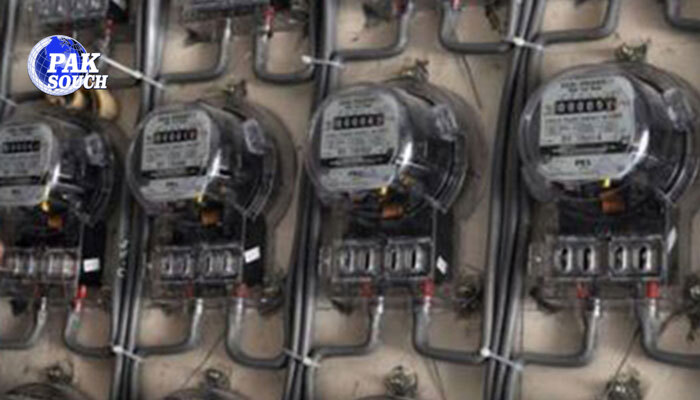
Government officials have informed the IMF that the current system is often abused by some households installing multiple electricity meters in a single residence.
In many cases:
- Families reportedly install two or three separate meters
- Each meter is kept below the 200-unit threshold
- This allows consumers to receive multiple subsidies simultaneously
Officials believe the new targeted approach will discourage such practices and improve transparency.
New Digital Mechanism Being Developed
The government is currently working on linking electricity consumers with the National Socio-Economic Registry (NSER) database to create a more efficient subsidy verification system.
Sources said the World Bank is also supporting Pakistan in developing the new mechanism.
Additionally, an external firm may be hired to design and operate the subsidy payment system to ensure:
- Better monitoring
- Reduced corruption
- Improved transparency
- Efficient delivery of benefits
Broader Economic Reforms Underway
Alongside electricity sector reforms, Pakistan is also preparing to expand the “e-Aabiana” irrigation payment system, which was first introduced in Punjab.
The government plans to extend the system to:
- Sindh
- Khyber Pakhtunkhwa
- Balochistan
from the next fiscal year.
Authorities are also considering adjustments to irrigation water charges in line with operational and maintenance expenses as part of broader economic and structural reforms.
IMF Meeting Scheduled
Senior government sources stated that Pakistan is close to receiving the second tranche worth 200 million dollars under the IMF’s Resilience and Sustainability Facility (RSF).
The IMF Executive Board is expected to review and possibly approve the payment during its meeting scheduled for May 8, 2026, in Washington.