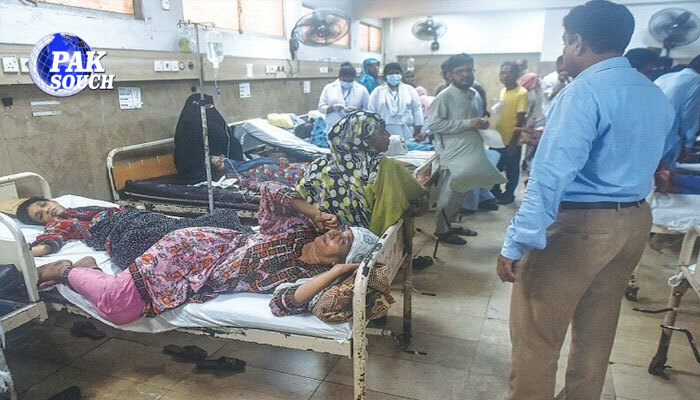
A sharp increase in gastroenteritis cases has been reported in Karachi amid ongoing severe heatwave conditions, with hospitals witnessing a significant rise in patients suffering from stomach-related illnesses.
According to hospital authorities, more than 150 patients are arriving daily at Jinnah Postgraduate Medical Centre (JPMC) with symptoms of gastrointestinal infections. This marks a substantial increase compared to normal days, when the number of such cases typically remains around 50 per day.
Doctors report that patients are presenting with symptoms including vomiting, diarrhea, abdominal pain, and dehydration, all of which are commonly associated with gastroenteritis and heat-related illnesses.
Medical experts attribute this sudden rise primarily to the extreme weather conditions, combined with poor food hygiene and unsafe drinking water consumption. High temperatures accelerate bacterial growth in food and water, increasing the risk of infection.
Health specialists have advised citizens to take preventive measures to avoid illness during the ongoing heatwave. They recommend drinking clean, boiled, or filtered water and strictly avoiding stale or uncovered food items sold in open environments. Proper handwashing before meals has also been emphasized as a key preventive step.
Doctors further stress the importance of maintaining hydration during hot weather. Citizens are encouraged to consume plenty of water, oral rehydration solutions (ORS), and safe beverages to prevent dehydration and heat-related complications.
Public health officials also warn that vulnerable groups, including children, the elderly, and individuals with weakened immune systems, are at higher risk during such outbreaks and require extra care.
The situation highlights the growing health challenges faced by Karachi during extreme summer conditions, where rising temperatures combined with inadequate sanitation and food safety practices can quickly lead to widespread illness.