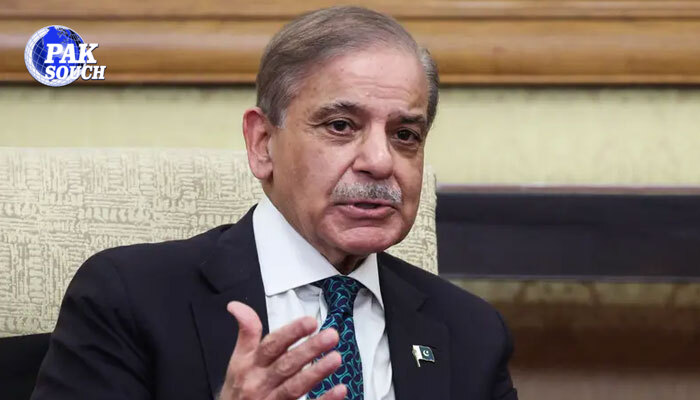
ISLAMABAD: Prime Minister Shehbaz Sharif has said that the ongoing conflict in the Middle East has dealt a significant blow to Pakistan’s economic recovery efforts built over the past two years, particularly due to rising global oil prices.
Addressing a federal cabinet meeting, the prime minister stated that Pakistan had made sincere efforts to promote peace in the region, including facilitating dialogue between Iran and the United States. He noted that talks between the two sides continued for up to 21 hours and that a ceasefire is currently holding.
Shehbaz Sharif emphasized that Pakistan remains actively engaged in diplomatic efforts to help end tensions between the US and Iran. He credited the country’s leadership, including the military, for maintaining consistent engagement, while also noting that Iran’s foreign minister Abbas Araghchi had visited Oman and Russia as part of broader consultations.
Highlighting the economic impact of the conflict, the prime minister said that the surge in global oil prices has created an “extraordinary situation” for Pakistan. “Before the conflict, our weekly oil import bill stood at around $300 million. It has now increased to nearly $800 million,” he revealed.
He warned that the sharp rise in energy costs is placing additional strain on Pakistan’s fragile economic stability and could reverse progress made in recent years. The government has been working to stabilize the economy through fiscal discipline and external support, but external shocks such as global commodity price hikes continue to pose serious challenges.
Despite these pressures, Shehbaz Sharif pointed out that Pakistan has managed to repay approximately $3.5 billion in external debt, signaling continued commitment to meeting international financial obligations.
He also expressed gratitude to Saudi Arabia for its support in helping Pakistan navigate economic difficulties. The prime minister added that consultations are ongoing with provincial governments to ensure the continuation of subsidies in public transport and other essential sectors, aiming to shield citizens from the full impact of rising costs.