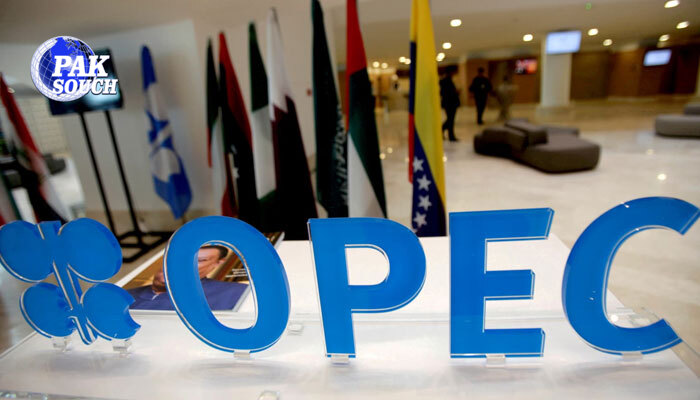
The United Arab Emirates (UAE) has announced its decision to withdraw from the Organization of the Petroleum Exporting Countries (OPEC) and the OPEC+ alliance, in a move that could have significant implications for global oil markets.
According to the Emirati news agency, the decision will take effect from May 1, 2026. Officials stated that the UAE aims to gain greater independence in shaping its oil production and sales policies.
OPEC, established in 1960, includes major oil-producing nations such as Saudi Arabia, Iran, Iraq, and Kuwait. The OPEC+ alliance was formed in 2016, bringing together OPEC members and non-OPEC countries, including Russia, to coordinate oil production and influence global prices. Together, they control an estimated 40 to 50 percent of the world’s oil supply.
Reports suggest that the UAE’s decision did not come suddenly but follows prolonged disagreements, particularly with Saudi Arabia, over production quotas. Under the OPEC+ agreement, the UAE’s production was capped at around 3 million barrels per day, despite having a capacity exceeding 4 million barrels, with plans to increase output to 5 million barrels per day by 2027.
According to analysts, the immediate impact on global oil markets may be limited due to existing disruptions, including tensions in the region and constraints linked to the Strait of Hormuz. However, in the long term, the UAE’s exit—especially as a major producer and founding member—could reshape supply dynamics and influence pricing trends.