



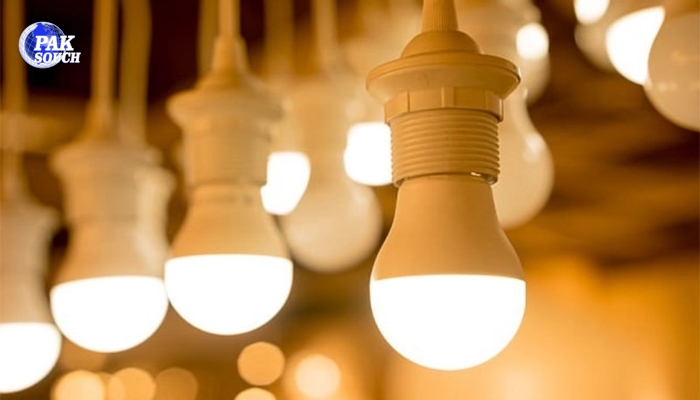
Many people wonder if keeping a room’s light bulb constantly on can save electricity, especially now that LED lights consume much less power than traditional bulbs. The answer, however, is not simple and requires some explanation.
According to a recent study by the U.S. Department of Energy, it is generally more energy-efficient to turn off the lights when leaving a room. Doing so can reduce electricity consumption and, in turn, lower your electricity bill. However, there are exceptions to this rule.
For example, if you plan to return to the room within 15 minutes, it may be better to leave the light on. Turning the light off and then on again shortly afterward can actually use more energy than keeping it on. In addition, frequent switching can slightly shorten the lifespan of the bulb. On the other hand, if you are leaving the room for a longer period, it is always advisable to turn off the lights. This simple step not only reduces your electricity bill but also prolongs the life of your bulb.
Apart from lighting, another easy way to save electricity is by disconnecting devices from power sockets when not in use. Many electronic devices continue to consume electricity even when turned off. This is often referred to as “vampire energy” or “phantom load.” According to the U.S. Department of Energy, the average household spends between $100 to $200 per year on electricity consumed by devices in standby mode. In Pakistan, this unnecessary consumption can amount to thousands or even lakhs of rupees annually. On average, around 10% of a household’s electricity can be lost to vampire energy.
By paying attention to both lighting and electronic devices, households can make significant savings. Using energy-efficient LED lights, turning off lights when leaving a room for extended periods, and unplugging unused devices are simple yet effective strategies. These steps are easy to implement, require no special skills, and can substantially reduce electricity consumption over time.
In conclusion, keeping a light bulb constantly on does not reduce electricity bills. Smart energy practices, such as turning off lights when not needed and unplugging idle devices, are more effective ways to save electricity. Even small habits, repeated daily, can make a noticeable difference in energy bills while also contributing to environmental conservation. By understanding how electricity is consumed and taking a proactive approach, households can ensure both financial savings and a more sustainable lifestyle.





