


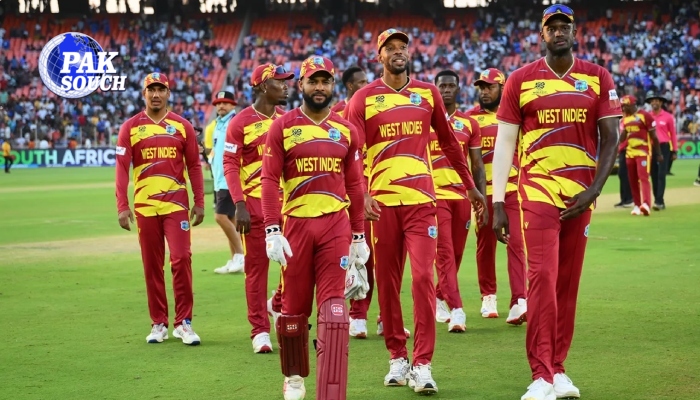
GEORGETOWN: The West Indies cricket team has failed to secure direct qualification for the 2027 ICC Cricket World Cup and will once again have to go through the qualifying process to earn a place in the global tournament.
The two-time former world champions will be required to play the World Cup qualifiers for the second consecutive time, marking another difficult chapter for one of international cricket’s most historic teams.
Under the qualification system, the two host nations, South Africa and Zimbabwe, along with the top eight teams in the relevant rankings as of September 30, will qualify directly for the 2027 World Cup.
The teams that have secured direct qualification include Australia, India, New Zealand, Pakistan, Sri Lanka, England, Bangladesh, South Africa and Zimbabwe.
Meanwhile, Afghanistan secured its direct place in the World Cup after defeating Ireland in Belfast, further strengthening its position among the teams heading directly into the tournament.
The West Indies, currently ranked 10th, were unable to move into the required qualification positions before the cut-off date.
The Caribbean side still has two One-Day International matches against India before the September 30 cut-off. However, even winning both matches will not be enough for the West Indies to secure direct qualification, according to the current qualification scenario.
The team will consequently have to enter the World Cup qualifying tournament scheduled to take place in February.
The development is particularly significant because the West Indies are one of the most successful teams in the history of the Cricket World Cup. They won the first two editions of the tournament, in 1975 and 1979, and were once regarded as one of the most dominant forces in international cricket.
However, their decline in limited-overs cricket has resulted in a series of disappointing campaigns in recent years.
The West Indies failed to qualify directly for the 2023 World Cup for the first time in their history, and they are now facing another qualification battle ahead of the 2027 tournament.
The latest situation reflects the increasing competitiveness of international cricket, with teams such as Afghanistan making significant progress while traditional cricketing powers have struggled to maintain their positions.
The qualification pathway gives the West Indies another opportunity to reach the 2027 World Cup, but the team will have little room for error in the qualifying tournament.
According to the qualification format, the winner of the February qualifier will earn direct entry into the second round of the World Cup qualification process.
Teams finishing second, third and fourth in the qualifier will then compete in a Super Series, with the top team from that stage advancing to the second round.
This system means the West Indies will have to perform consistently throughout the qualifying competition if they are to secure their place in the main tournament.
The requirement to play qualifiers represents a major change from the era when the West Indies were virtually guaranteed a place in major international tournaments because of their dominance.
The Caribbean side has nevertheless shown signs of competitiveness in recent years and will hope to use its experience and talented players to navigate the qualification process successfully.
Before entering the qualifiers, however, West Indies will have the opportunity to play India in two ODIs before the September 30 deadline. Although those matches cannot now provide a direct qualification route according to the current standings, they could serve as valuable preparation for the challenges ahead.
The West Indies will need to improve their consistency in the 50-over format, particularly in batting, bowling and the ability to perform under pressure in crucial matches.
For fans of Caribbean cricket, the latest development is disappointing, but the qualification tournament will offer another opportunity for the former champions to reclaim their place on the world stage.
The 2027 World Cup will be jointly hosted by South Africa, Zimbabwe and Namibia, and the tournament is expected to feature some of the leading cricket nations from around the world.
The direct qualification of teams such as Australia, India, New Zealand, Pakistan, Sri Lanka, England and Bangladesh means that several established cricketing nations have already secured their places.
Afghanistan’s qualification is also notable, reflecting the team’s rapid rise in international cricket and its growing competitiveness against established sides.
For the West Indies, attention will now turn toward the February qualifier. The team will need to prepare carefully and produce consistent performances to avoid another major disappointment.
The Caribbean side’s history and legacy in World Cup cricket remain immense, but its current qualification position demonstrates how much the international game has changed.
The West Indies will now have to fight for their place rather than receiving direct entry, making the upcoming qualifying tournament one of the most important assignments on their cricket calendar.
A successful qualification campaign could provide the team with an opportunity to rebuild confidence and return to the main World Cup stage, while failure would further underline the challenges facing West Indies cricket.
For a team that won the first two World Cups, the need to qualify through an additional tournament is a significant reminder of the highly competitive nature of modern international cricket.
About The Author