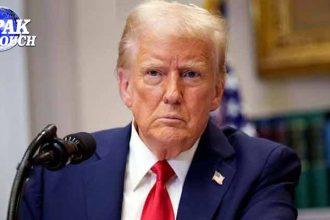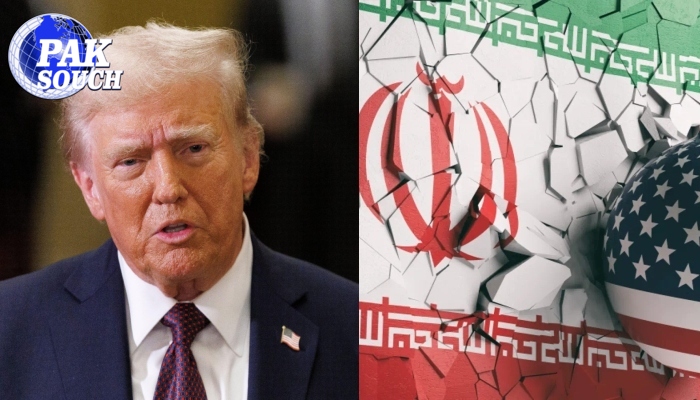
Washington: Amid escalating tensions with Iran, US President Donald Trump announced that countries conducting trade with Iran will face a 25% tariff on all commerce with the United States. The president declared the measure final and stated that it would take immediate effect.
In a statement posted on social media, President Trump warned that any country engaging in business with Iran will be required to pay a 25% tariff on all transactions involving the United States. “This order is final and will be implemented immediately,” he said, emphasizing the administration’s hardline approach toward Iran and its trading partners.
Reports indicate that the announcement comes in the context of the ongoing crackdown on protests in Iran. Anti-government demonstrations have continued across the country, and according to US human rights organizations, at least 490 people have been killed in the past two weeks during protests against the Iranian regime.
Earlier, President Trump had issued a stern warning to the Iranian government regarding the killing of protesters. In recent statements, he reiterated that the US is considering multiple options in response to the situation in Iran, including potential military action.
The new tariff directive signals an escalation in US economic pressure on Iran and serves as a warning to nations maintaining trade relations with Tehran. Analysts note that this move could impact global trade patterns, especially for countries heavily dependent on Iranian imports or exports.
While the administration has framed the tariffs as a tool to enforce compliance and deter support for Iran’s regime, critics argue that the measure could strain diplomatic relations with allied countries and further complicate ongoing regional tensions.
The 25% tariff is expected to be applied universally to all affected countries, covering goods and services traded with the US, and officials indicated that compliance will be strictly monitored. Economists predict that the tariffs may affect global supply chains and increase costs for companies engaged in international trade with both the US and Iran.
This action forms part of the broader US strategy to exert maximum economic and political pressure on Iran, in line with previous sanctions and diplomatic warnings issued by the Trump administration. Observers suggest that the move is also intended to reinforce US leverage over Tehran amid growing domestic unrest and international scrutiny.
In conclusion, President Trump’s decision to impose tariffs on countries trading with Iran represents a significant escalation in US economic policy, reflecting heightened tensions in the region and signaling that the administration is prepared to use both economic and potentially military tools to influence Iran’s actions and its regional behavior.