


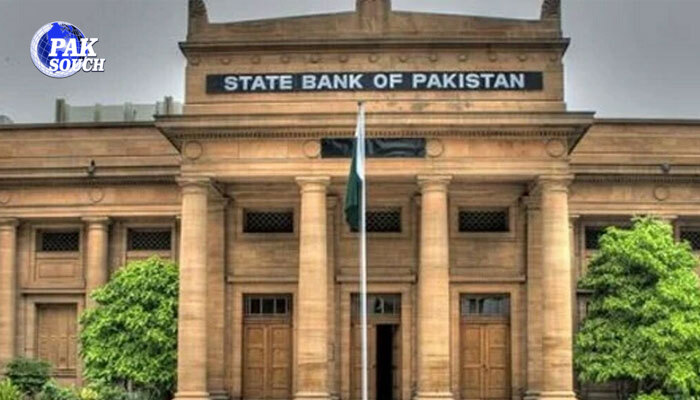
Karachi: The State Bank of Pakistan (SBP) has announced its latest monetary policy, deciding to keep the policy interest rate unchanged at 11.50% for the next two months.
Speaking at a press briefing, SBP Governor Jameel Ahmad said the Monetary Policy Committee (MPC) had unanimously decided to maintain the benchmark policy rate at its current level, citing recent economic developments and the inflation outlook.
The governor noted that inflation has followed a downward trend over the past year. He said average inflation between July and February stood at 5.5%, reflecting continued easing in price pressures compared with previous years.
Providing an overview of the external sector, Jameel Ahmad said Pakistan recorded a current account deficit of US$139 million in fiscal year 2026. He added that the central bank expects the current account deficit in fiscal year 2027 to remain between 0% and 1% of GDP, indicating a manageable external position.
The SBP governor also projected that workers’ remittances would reach US$20.20 billion by December 2026, saying the forecast remains intact despite uncertainties in the global economy. He described exports and overseas remittances as Pakistan’s two major sources of foreign exchange and expressed confidence that government initiatives would help improve exports during FY2027.
He further stated that Roshan Digital Accounts have attracted around US$300 million over the past four months, highlighting continued participation by overseas Pakistanis.
Jameel Ahmad said imports are expected to increase during the current fiscal year, but added that Pakistan’s external inflows are also projected to remain strong. He noted that despite meeting all external payment obligations, the country has continued to build its foreign exchange reserves.
Looking ahead, the governor said Pakistan is scheduled to make US$21.5 billion in external debt repayments during fiscal year 2027, while expressing confidence that the country’s external financing position remains manageable.
The State Bank’s decision to maintain the policy rate reflects its assessment of moderating inflation, stable external sector indicators and the need to support sustainable economic growth while preserving macroeconomic stability.
About The Author