


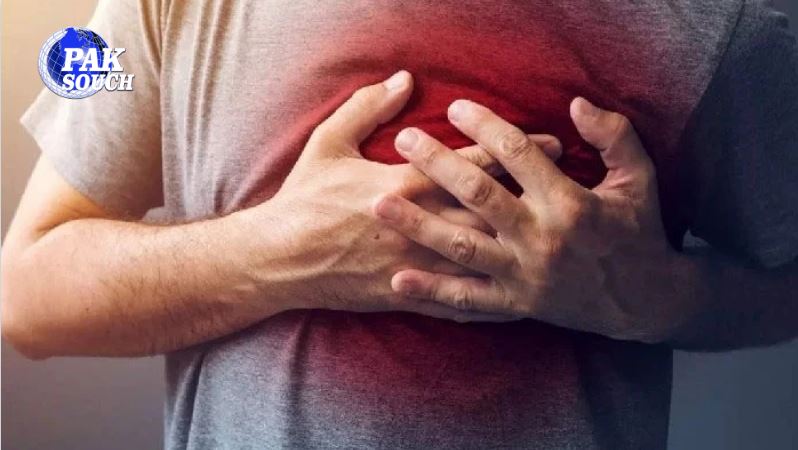
LONDON: A new study has found that ultra-processed foods may be responsible for nearly one-quarter of heart attack cases and related deaths, highlighting the significant impact of dietary choices on cardiovascular health.
A heart attack occurs when blood flow to the heart is severely reduced or completely blocked. This blockage is usually caused by the buildup of fat, cholesterol, and other substances inside the arteries, forming deposits known as plaque. In some cases, plaque can rupture and trigger a blood clot, preventing blood from reaching the heart muscle.
Processed Foods Under Scrutiny
According to the research, diets high in ultra-processed foods are associated with a substantially increased risk of cardiovascular disease, including heart attacks.
Ultra-processed foods typically include products such as:
- Packaged snacks
- Sugary soft drinks
- Processed meats
- Instant noodles
- Sweetened breakfast cereals
- Commercial baked goods
- Fast food and ready-to-eat meals
These foods often contain high levels of salt, sugar, unhealthy fats, artificial additives, and preservatives, while providing relatively little nutritional value.
Increased Risk of Heart Disease
Researchers found that frequent consumption of ultra-processed foods may contribute to the development of obesity, high blood pressure, elevated cholesterol levels, and type 2 diabetes—all major risk factors for heart attacks.
The study estimates that approximately one in four heart attack cases and related deaths could be linked to diets dominated by these highly processed products.
Healthy Diet Recommended
Health experts recommend reducing the intake of ultra-processed foods and replacing them with healthier alternatives, including:
- Fresh fruits and vegetables
- Whole grains
- Beans and legumes
- Nuts and seeds
- Fish and lean proteins
- Healthy fats such as olive oil
Maintaining a balanced diet, exercising regularly, avoiding smoking, and managing blood pressure and cholesterol are considered key measures for lowering the risk of heart disease.
Researchers say the findings reinforce the importance of improving dietary habits as part of broader efforts to prevent cardiovascular diseases, which remain one of the leading causes of death worldwide.
About The Author