Karachi – October 1, 2025
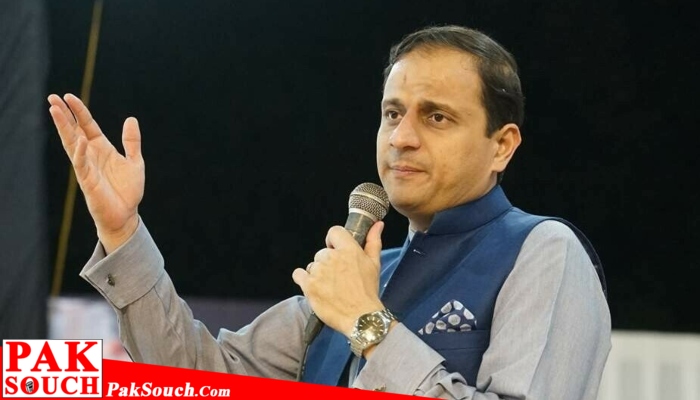
Karachi Mayor Murtaza Wahab sparked both political curiosity and public debate when he remarked that he refrains from commenting on Punjab’s matters because it may upset Punjab Chief Minister Maryam Nawaz. Speaking to the media in Karachi, Wahab balanced humor with pointed criticism, highlighting Karachi’s chronic neglect in development spending compared to other provinces.
During his address at the Karachi Institute of Heart Diseases, Wahab announced that within the next two months, the hospital would begin offering free laboratory services to patients. He explained that diagnostic tests will be provided at no cost, marking a significant step in providing affordable healthcare to Karachi’s residents.
However, much of his talk centered on Karachi’s longstanding grievances with the federal government’s allocation of funds. The Mayor dismissed the recently announced 20 billion rupee package for Karachi as nothing more than a “lollipop.” According to him, even 200 billion rupees would be insufficient to meet the city’s pressing needs. He criticized the idea of creating companies to manage city projects, arguing instead that what Karachi truly needs is direct rights, transparency, and empowerment.
Wahab’s pointed remark — “If I say something about Punjab, Maryam Bibi will be upset” — was made in response to Maryam Nawaz’s recent comments on Punjab’s pressing issues such as water shortages and canal management. While avoiding a direct political confrontation, Wahab acknowledged that the people of Punjab are suffering and emphasized the responsibility of governments to address their grievances. His statement reflected both solidarity with Punjab’s people and caution in avoiding political friction with the Chief Minister.
The Mayor also contrasted Punjab’s progress with Karachi’s lack of infrastructure. He noted that while Punjab boasts modern motorways, Karachi — despite being Pakistan’s largest city and main port — still lacks a proper motorway. This disparity, he argued, highlights systemic neglect of Karachi in national development priorities.
Wahab pointed out that examining the 15-year record of the Public Sector Development Programme (PSDP) would reveal how Karachi has been consistently overlooked. Instead of short-term projects, he called for sustainable urban planning, better transport systems, clean water supply, and an overall uplift of the city’s basic civic infrastructure.
In a swipe at populist projects, he said Karachi’s people don’t just need “electric buses,” but meaningful improvement in living conditions — including better healthcare, education, employment opportunities, and civic amenities.