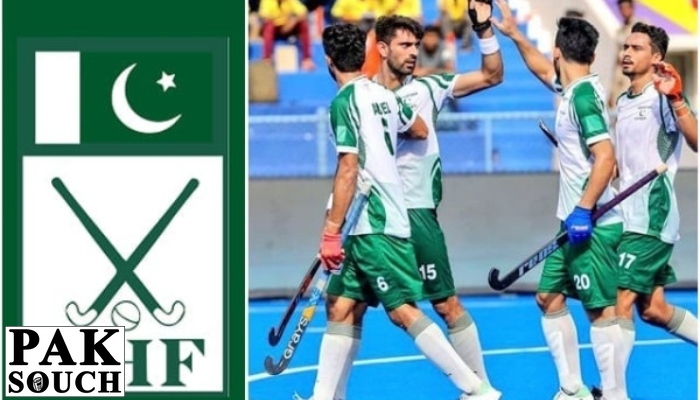
Pakistan’s national hockey players find themselves increasingly frustrated after being overlooked by their own federation regarding financial entitlements. According to inside sources, the Pakistan Hockey Federation (PHF) failed to secure or even raise the issue of daily international allowances for players during negotiations with the government for the Pro Hockey League.
The oversight has left the athletes disillusioned. Sources reveal that each player is owed approximately 500,000 rupees in international daily allowances, a sum that remains unpaid due to the federation’s negligence. This financial neglect, combined with a lack of institutional support, has forced many players to reconsider their futures with the national team.
Several players, it is reported, have already begun exploring new opportunities. With uncertainty clouding the future of Pakistan hockey, a number of athletes are considering participation in international leagues and tournaments, seeking financial stability and professional growth outside their home system. For many of them, the PHF’s disinterest in ensuring even basic entitlements has become the final straw.
National players have spoken candidly about their struggles. “We don’t know what the future holds. But we still have to live, we still have to provide for our families. What else can we do? Wherever we get the opportunity to play, we will try to take it,” one player stated. This sentiment reflects a growing sense of frustration among athletes who feel abandoned by the very organization meant to support and promote them.
The issue is not limited to international allowances. The PHF also recently cut corners with domestic allowances, paying players only 2,500 rupees instead of the promised 3,000 rupees. For professionals who dedicate their lives to representing the country, such disregard has only deepened disappointment and mistrust.
The situation highlights a larger problem within Pakistan hockey—a sport once celebrated as the pride of the nation, producing Olympic champions and dominating global tournaments. Today, however, the sport is plagued by financial mismanagement, administrative lapses, and a lack of vision for player welfare. While other countries invest heavily in their hockey structures, providing athletes with financial security and exposure, Pakistani players continue to struggle for even basic entitlements.
The neglect of allowances has broader implications as well. Younger athletes, seeing their seniors face financial uncertainty, are becoming hesitant to pursue hockey as a full-time career. Talented youngsters may now look toward cricket, football, or even other professions altogether, weakening the already fragile pipeline of hockey talent in Pakistan.
For senior players, the lure of international leagues is strong. These leagues not only offer better financial rewards but also provide exposure to competitive hockey, modern coaching, and world-class facilities. Many athletes believe that pursuing such opportunities is the only way to ensure their professional survival while also staying connected to the sport they love.
Observers of Pakistan hockey argue that unless the federation and government take urgent steps to resolve financial issues and restore players’ trust, the sport may lose its brightest talents to foreign leagues permanently. Moreover, with international tournaments demanding peak performance, morale and focus will remain low if players are burdened by financial worries.
The PHF has yet to officially address the matter or provide clarity on when the outstanding allowances will be paid. For now, the silence is only adding to the players’ sense of abandonment. The players’ grievances have brought attention once again to the urgent need for reforms in Pakistan hockey’s governance, financial accountability, and player welfare systems.
As the situation stands, Pakistan’s national hockey players are left in limbo—torn between loyalty to their country and the practical need to sustain their lives and families. Unless meaningful action is taken soon, the federation risks not only losing players’ trust but also damaging the very foundation of a sport that was once synonymous with Pakistan’s international sporting identity.