

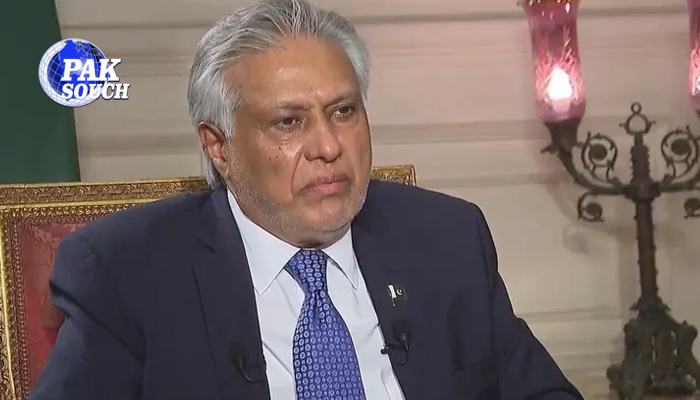
Islamabad: Pakistan’s Deputy Prime Minister and Foreign Minister Ishaq Dar has said that Iran is expected to lower the level of its uranium enrichment rather than transfer its enriched uranium stockpiles outside the country, describing ongoing diplomatic efforts as a positive step toward a broader agreement.
Speaking in an interview with Arab media, Dar discussed developments related to the Iran–United States negotiations and expressed optimism about the prospects of a final deal despite the challenges that may arise in upcoming phases of talks.
Iran’s Position on Enriched Uranium
According to Ishaq Dar, the United States initially proposed that Iran move its stockpiles of enriched uranium out of the country as part of efforts to address concerns surrounding Tehran’s nuclear program.
However, he said Iran has adopted a different approach and is prepared to reduce the enrichment level of uranium rather than export its existing stockpiles abroad.
“Initially, the United States demanded that Iran transfer its enriched uranium reserves outside the country, but Iran will reduce the level of enrichment instead of sending uranium abroad,” Dar stated during the interview.
The comments suggest that negotiators may be exploring alternative arrangements aimed at balancing international concerns about nuclear activities with Iran’s insistence on maintaining certain aspects of its nuclear program within its own territory.
Technical Working Groups to Address Key Issues
The Deputy Prime Minister said several technical matters remain under discussion and will be handled through specialized working groups.
According to Dar, three technical working groups will focus on:
- The nuclear file and related issues.
- Frozen or restricted Iranian assets.
- Matters concerning Lebanon.
These working groups are expected to examine detailed technical and legal questions and provide recommendations that could facilitate progress in broader negotiations.
Diplomatic observers note that such working groups often play a crucial role in resolving complex issues that cannot be settled during high-level political discussions alone.
Remarks on the Strait of Hormuz
During the interview, Dar also commented on maritime navigation through the Strait of Hormuz, one of the world’s most strategically important shipping routes.
He stated that ships passing through the strait could continue to do so for up to 60 days without any tariff being imposed.
According to him, vessels would only be required to pay standard navigation or service-related fees rather than additional tariffs.
The Strait of Hormuz remains a vital route for global energy supplies, with a significant portion of the world’s oil and gas shipments passing through the narrow waterway each day.
Any developments concerning navigation in the region are closely monitored by international markets and governments because of their potential impact on global trade and energy prices.
Trump Personally Guided Negotiations
Ishaq Dar also said that U.S. President Donald Trump personally supervised and guided the negotiations between the United States and Iran.
The statement highlights the importance Washington attaches to the diplomatic process and suggests direct involvement from the highest levels of the U.S. administration.
Dar did not provide additional details regarding the extent of President Trump’s participation but indicated that the negotiations have received significant political attention.
Analysts believe direct leadership involvement often increases the likelihood of achieving breakthroughs in sensitive diplomatic discussions.
Regional Support for Mediation Efforts
The Foreign Minister emphasized that several key regional countries are supporting ongoing mediation and diplomatic initiatives.
He said that Saudi Arabia, Qatar, Egypt, and the United Arab Emirates are backing the process and contributing to efforts aimed at facilitating dialogue and reducing tensions.
Regional support is widely viewed as an important factor in maintaining momentum for negotiations and encouraging constructive engagement among all parties involved.
Dar noted that cooperation among regional stakeholders has helped create a favorable environment for diplomacy.
Challenging Negotiations Ahead
While expressing optimism, Ishaq Dar acknowledged that the next phase of negotiations could prove more difficult.
He said that future discussions may involve complex issues requiring detailed technical and political solutions. Nevertheless, he stressed that a final agreement remains achievable.
“The next stage of negotiations may be difficult, but a final agreement is attainable,” he said.
His remarks reflect a cautious but hopeful assessment of the ongoing diplomatic efforts, recognizing both the challenges and opportunities that lie ahead.
Confidence in a Positive Outcome
Dar further stated that he does not see any negative aspect in the proposed arrangement currently under discussion.
According to him, the framework being negotiated has the potential to address concerns while creating conditions for greater stability and cooperation.
He expressed confidence that continued dialogue and diplomatic engagement could ultimately produce a mutually acceptable outcome.
Diplomatic Efforts Continue
The Deputy Prime Minister’s comments come amid sustained international attention on Iran’s nuclear program and broader regional developments.
As negotiations progress, technical experts, diplomats, and political leaders will continue working on unresolved issues in an effort to reach a comprehensive agreement.
While significant challenges remain, Dar’s remarks indicate that participating countries remain committed to diplomacy and believe that a negotiated settlement is still within reach.
The coming rounds of talks are expected to play a critical role in determining whether ongoing efforts can be translated into a lasting agreement that addresses nuclear concerns, regional issues, and broader questions of international cooperation.
About The Author