

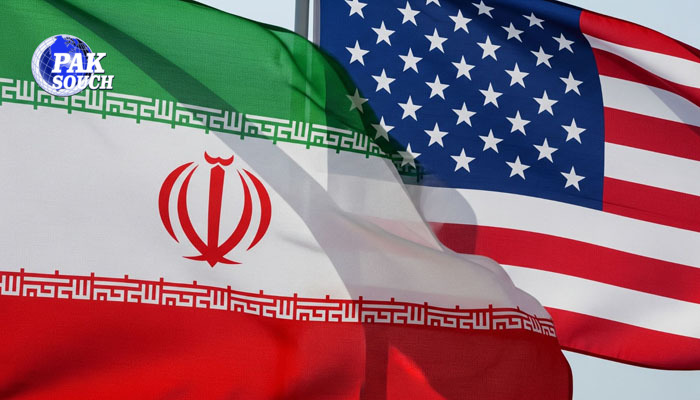
Tehran: Details of a 14-point preliminary understanding draft between Iran and the United States have reportedly surfaced, outlining a wide-ranging framework covering military de-escalation, economic relief, and regional stability measures.
According to Iranian news agency reports, the draft reflects early-stage understandings that could form the basis of a formal agreement if finalized by both sides.
End of Naval Blockade and Sanctions Relief
Under the proposed framework, the US naval blockade would be lifted within 30 days, marking a significant shift in maritime and security policy in the region.
The draft also includes provisions for the suspension of sanctions on Iran’s oil and petrochemical exports, which have long been a major point of contention between the two countries.
If implemented, these measures would potentially restore Iran’s access to global energy markets and ease pressure on its economy.
Regional Ceasefire Across Multiple Fronts
One of the key components of the draft is a call for an immediate and permanent ceasefire across all fronts, including Lebanon and other regional theaters where tensions have been high.
This clause suggests a broader effort to reduce proxy conflicts and stabilize multiple conflict zones simultaneously as part of the wider agreement framework.
Financial Commitments and Reconstruction Support
The draft reportedly includes a major financial package, under which the United States and its allies would provide at least $300 billion for Iran’s reconstruction.
This proposed funding is described as part of long-term rebuilding efforts aimed at supporting infrastructure, economic recovery, and post-conflict stabilization.
Release of Frozen Iranian Assets
Economic provisions in the draft also include the release of $24 billion in frozen Iranian assets during the negotiation process, while an additional $12 billion in Iranian funds would reportedly be released prior to the final agreement.
These financial measures are intended to build trust and support the gradual normalization of economic relations between the two countries.
Sensitive Political and Military Clauses
According to the draft details, certain contentious issues are reportedly excluded from the final agreement framework.
These include Iran’s ballistic missile program and its support for regional resistance groups, which have historically been central points of disagreement between Tehran and Washington.
The exclusion of these topics suggests that negotiators may be focusing on a narrower set of issues in order to reach a workable compromise.
International Legal Endorsement
The draft also proposes that the final agreement would be ratified through a United Nations Security Council resolution, giving it formal international legal backing.
Such a move would elevate the agreement to a multilateral framework, ensuring broader global recognition and enforcement mechanisms.
Background: High-Stakes Diplomacy
The reported draft comes amid ongoing diplomatic engagement between Iran and the United States, which has been closely monitored due to its potential impact on regional stability and global energy markets.
Earlier reports suggested that a formal signing ceremony could take place in Geneva on June 19, with Pakistan expected to play a hosting role, according to statements attributed to Prime Minister Shehbaz Sharif.
Regional and Global Implications
If finalized, the agreement could mark one of the most significant diplomatic breakthroughs in recent years, potentially reshaping political and economic dynamics across the Middle East.
However, analysts caution that such complex negotiations remain fragile, particularly given the involvement of multiple regional actors and unresolved security concerns.
Conclusion
The emergence of the 14-point draft highlights the scope and complexity of the ongoing US-Iran negotiations. While the proposed framework includes major economic relief and security arrangements, its success will depend on final approvals, implementation mechanisms, and continued diplomatic engagement from all parties involved.
About The Author