

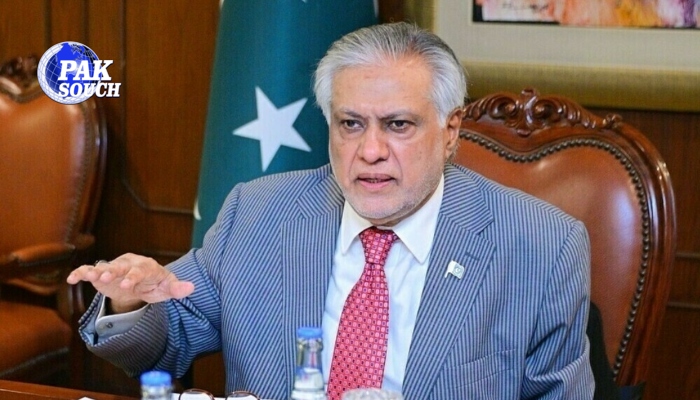
Islamabad: Pakistan’s Deputy Prime Minister and Foreign Minister Ishaq Dar has welcomed the reported understanding reached between the United States and Iran, describing the development as a significant diplomatic achievement and expressing hope that it will contribute to lasting peace and prosperity in the region.
In a statement shared on social media platform X, Dar said that Pakistan is looking forward to the expected signing ceremony of the US-Iran agreement, which is anticipated to take place in Geneva. He noted that the agreement represents a positive outcome of diplomatic engagement and reflects the importance of dialogue in resolving complex international disputes.
Diplomacy Triumphs Over Confrontation
Commenting on the reported agreement, Ishaq Dar emphasized that the latest progress demonstrates the effectiveness of diplomacy in addressing longstanding tensions between nations.
“We welcome the understanding reached between the United States and Iran,” Dar said. “The current development is a success of diplomacy.”
The deputy prime minister noted that Pakistan has consistently supported peaceful negotiations and constructive engagement throughout the process. He stressed that Islamabad believes dialogue remains the most effective path toward reducing tensions and promoting stability in regions affected by conflict and uncertainty.
According to Dar, Pakistan maintained its support for patience, restraint, and meaningful diplomatic contacts during the course of discussions between Washington and Tehran.
Appreciation for Leadership on Both Sides
The foreign minister also expressed gratitude for the confidence shown by the leadership of both countries during the diplomatic process. He acknowledged the efforts of officials involved in facilitating communication and advancing negotiations aimed at reducing tensions.
Dar stated that Pakistan appreciates the trust demonstrated by both the United States and Iran in pursuing diplomatic solutions and engaging in a process intended to achieve mutually beneficial outcomes.
Observers note that relations between Washington and Tehran have been marked by decades of political disputes, economic sanctions, and security concerns. As a result, any breakthrough between the two countries is viewed as a development with potentially far-reaching consequences for regional and global affairs.
Potential Impact on Regional Stability
The deputy prime minister expressed optimism that the reported agreement could help create an environment more conducive to peace and economic development across the wider region.
He said that positive developments between the two countries could pave the way for enhanced cooperation, reduced tensions, and greater regional stability. According to Dar, such progress has the potential to benefit not only the parties directly involved but also neighboring countries and international stakeholders.
“Positive progress will help pave the way for lasting peace and prosperity in the region,” he noted.
Analysts have suggested that improved relations between the United States and Iran could have important implications for security in the Gulf region, maritime trade routes, and global energy markets. Any reduction in tensions surrounding the Strait of Hormuz, one of the world’s most strategically significant waterways, is generally considered beneficial for international commerce and energy supplies.
Pakistan’s Consistent Position
Pakistan has traditionally advocated diplomatic solutions to international disputes and has repeatedly called for dialogue as a means of resolving conflicts. Islamabad has maintained relations with both Tehran and Washington and has often emphasized the importance of regional peace and stability.
Foreign policy experts believe Pakistan’s supportive response to the reported agreement is consistent with its broader diplomatic approach, which prioritizes negotiation, conflict prevention, and regional cooperation.
The government has frequently highlighted the importance of maintaining peaceful relations among countries in the Middle East, given the region’s strategic significance and its close economic and political links with Pakistan.
Geneva Ceremony Anticipated
The expected signing ceremony in Geneva is attracting international attention, with diplomats and policymakers closely monitoring developments. Geneva has historically served as a venue for major international negotiations and agreements due to its reputation as a neutral diplomatic hub.
Reports indicate that senior representatives from several countries may attend the event, underscoring the global significance of the agreement. Pakistan is also expected to be represented at a high level during the ceremony.
While the full details of the agreement have yet to be publicly disclosed, the announcements from both sides have generated optimism among observers who see the development as a step toward reducing tensions and strengthening diplomatic engagement.
Looking Ahead
As preparations continue for the anticipated signing ceremony, Pakistan has reiterated its support for peaceful dialogue and constructive international engagement. Officials hope that the agreement will not only improve relations between the United States and Iran but also contribute to broader efforts aimed at promoting security, stability, and economic growth throughout the region.
With Islamabad publicly welcoming the development and expressing confidence in diplomacy, Pakistan has positioned itself as a supporter of initiatives that encourage cooperation and peaceful conflict resolution on the international stage.
About The Author