

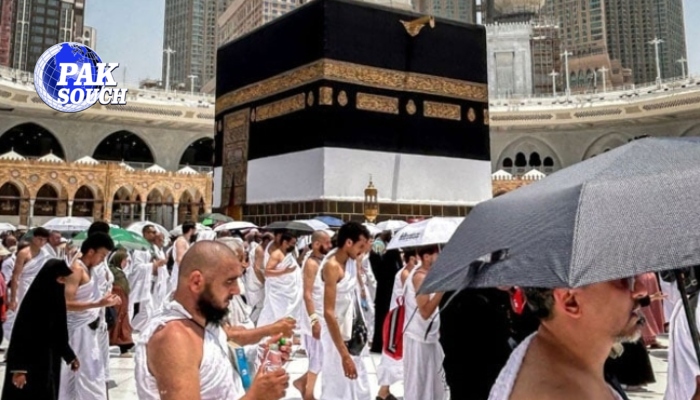
Islamabad: More than 119,000 Pakistani pilgrims performed Hajj this year under the government-sponsored Hajj scheme, spending a combined total of approximately Rs139.16 billion, according to official figures.
The data provides a detailed breakdown of participation, expenditures, and program preferences among pilgrims who traveled to Saudi Arabia through the government’s Hajj arrangements.
Over 119,000 Pilgrims Performed Hajj
According to the report, a total of 119,210 Pakistanis completed Hajj under the official government scheme during the 2026 pilgrimage season.
Pilgrims were offered two different packages:
- Long Hajj Program (40–45 days)
- Short Hajj Program (20–22 days)
The majority of participants opted for the longer stay package.
Long Hajj Program Most Popular
The report states that 77,743 pilgrims selected the long Hajj package, accounting for approximately 65.2 percent of all pilgrims under the government scheme.
Each pilgrim in the long program paid approximately Rs1.15 million.
The longer package typically includes an extended stay in Saudi Arabia before and after the core Hajj rituals, allowing pilgrims more time for religious activities and visits to holy sites.
More Than 41,000 Chose Short Hajj Package
Meanwhile, 41,467 pilgrims selected the short Hajj package, representing 34.8 percent of the total government quota.
Participants in the short program paid approximately Rs1.2 million per person.
Although shorter in duration, the package is designed to cover the essential Hajj period while reducing the length of stay in Saudi Arabia.
Total Expenditure Reaches Rs139.16 Billion
Combined spending by all pilgrims under the government scheme reached approximately Rs139.16 billion.
The expenditure covered a range of services, including:
- Air travel
- Accommodation in Makkah and Madinah
- Transportation within Saudi Arabia
- Meals and logistics
- Administrative and operational costs
- Hajj-related services and facilities
The figure reflects the substantial scale of Pakistan’s annual Hajj operation, one of the largest organized pilgrimage programs in the Muslim world.
Female Participation Exceeds 43 Percent
The report also highlights significant participation by women.
A total of 50,114 women performed Hajj under the government scheme, representing 43.5 percent of the official quota.
The growing participation of female pilgrims reflects increasing accessibility and improved travel arrangements for women undertaking the pilgrimage.
Male Pilgrims Remain Majority
The number of male pilgrims stood at 65,182, accounting for 56.5 percent of those who traveled under the government scheme.
Men therefore continued to make up the majority of Pakistani pilgrims, though the gender gap has narrowed compared to previous years.
Large-Scale Hajj Management Operation
Pakistan’s Hajj operation involves extensive coordination between government departments, airlines, Saudi authorities, and support staff.
Thousands of officials, medical personnel, volunteers, and service providers are deployed each year to facilitate travel, accommodation, healthcare, and guidance for pilgrims.
Officials have described this year’s operation as one of the largest and most complex logistical undertakings managed by the government.
Looking Ahead
With the completion of the 2026 Hajj season, authorities are expected to review operational performance and gather feedback from pilgrims to improve future arrangements.
The latest figures underscore both the religious significance of Hajj for Pakistanis and the substantial economic commitment made by pilgrims who travel to fulfill one of Islam’s most important obligations.
About The Author