

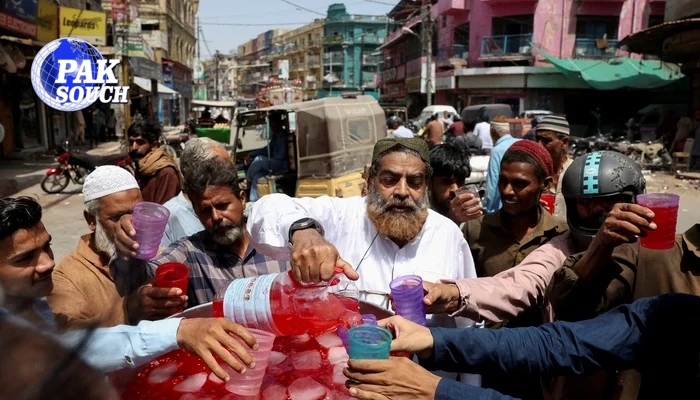
Karachi: Residents of Pakistan’s largest city have been advised to prepare for hotter weather as the Pakistan Meteorological Department (PMD) forecasts a further increase in temperatures beginning today. Authorities have urged citizens to take precautionary measures and avoid unnecessary exposure to the sun during peak daytime hours.
The warning comes as the Met Office has already issued a nationwide heatwave alert for June 7 to June 12, with Karachi expected to experience particularly intense conditions between June 8 and June 12.
Temperatures Expected to Climb
According to meteorological officials, temperatures in Karachi could rise significantly over the coming days, with daytime highs potentially reaching 43 degrees Celsius. While the actual recorded temperature may remain slightly lower, the combination of heat and humidity is expected to make conditions feel much hotter.
Weather experts explain that the “feels-like” temperature, also known as the heat index, can be considerably higher than the actual air temperature when humidity levels are elevated. This can increase the risk of heat-related illnesses, particularly among vulnerable populations.
High Humidity to Intensify Discomfort
One of the major concerns for Karachi residents is the high level of moisture in the air. The city’s coastal location often results in elevated humidity, which reduces the body’s ability to cool itself through sweating.
As a result, even moderate physical activity outdoors can become exhausting during periods of extreme heat. Health professionals warn that high humidity combined with soaring temperatures can lead to dehydration, heat exhaustion, and in severe cases, heatstroke.
Public Advised to Take Precautions
The Meteorological Department has issued several recommendations to help residents stay safe during the heatwave period.
Citizens are being advised to:
- Avoid direct sunlight between 10:00 a.m. and 4:00 p.m.
- Drink plenty of water and other non-caffeinated fluids
- Wear light-colored, loose-fitting clothing
- Use hats, umbrellas, or other forms of sun protection when outdoors
- Limit strenuous outdoor activities during the hottest part of the day
- Seek shade or air-conditioned environments whenever possible
Special attention is being directed toward children, elderly individuals, pregnant women, and people with chronic health conditions, as they are considered more vulnerable to heat-related complications.
Health Experts Warn of Heat-Related Risks
Medical professionals emphasize that prolonged exposure to high temperatures can have serious health consequences.
Common symptoms of heat exhaustion include:
- Excessive sweating
- Dizziness or lightheadedness
- Fatigue and weakness
- Headaches
- Nausea
- Muscle cramps
If left untreated, heat exhaustion can progress to heatstroke, a potentially life-threatening condition characterized by confusion, loss of consciousness, and dangerously high body temperatures.
Hospitals and emergency services are expected to remain on alert during the heatwave period to handle any increase in heat-related cases.
Nationwide Heatwave Conditions
The heatwave is not limited to Karachi. According to the PMD, several regions across Pakistan are expected to experience unusually high temperatures over the next several days.
Forecasts indicate that:
- Parts of Sindh and Balochistan may see temperatures ranging from 48°C to 51°C
- Several districts in Punjab could experience temperatures between 44°C and 48°C
- Plain areas of Khyber Pakhtunkhwa may record temperatures between 41°C and 46°C
These figures place many regions at risk of severe heat stress and increased demand on electricity and water supply systems.
Impact on Daily Life
The expected rise in temperatures could affect routine activities across Karachi, including transportation, outdoor work, and commercial operations. Authorities are encouraging employers to ensure adequate protection and hydration for workers who must remain outdoors.
Utility providers are also monitoring the situation closely, as higher temperatures typically lead to increased electricity consumption due to greater use of cooling appliances.
Authorities Urge Vigilance
Officials continue to monitor weather conditions and will issue updates if necessary. Citizens are encouraged to follow official advisories and prioritize health and safety during the hot spell.
With temperatures expected to remain elevated throughout the coming week, authorities stress that simple preventive measures—such as staying hydrated and avoiding prolonged sun exposure—can significantly reduce the risk of heat-related illnesses.
About The Author