

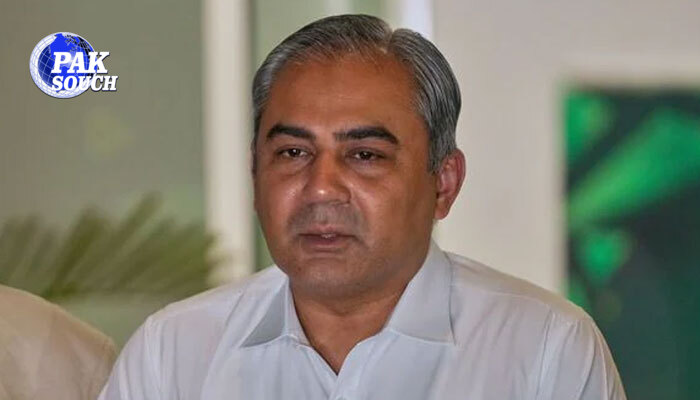
Islamabad/Tehran: Pakistan’s Interior Minister Mohsin Naqvi has arrived in Tehran for the second time within 24 hours amid reports of renewed diplomatic efforts related to possible negotiations between the United States and Iran.
According to sources, Mohsin Naqvi is expected to hold important meetings with Iranian leadership regarding developments linked to US-Iran dialogue and the evolving regional situation in the Middle East.
The sudden and repeated visits have attracted significant diplomatic attention, particularly at a time of heightened regional tensions and ongoing international efforts aimed at reducing confrontation between Tehran and Washington.
Sources familiar with the matter said the Pakistani interior minister would discuss recent diplomatic developments and possible pathways for reviving negotiations between Iran and the United States.
Although no official statement has been issued regarding Pakistan’s exact role, analysts believe Islamabad may be attempting to facilitate communication or support regional de-escalation efforts through diplomatic engagement with Tehran.
The latest visit comes only days after Mohsin Naqvi previously traveled to Iran, where he held separate meetings with Iranian President Masoud Pezeshkian, Parliament Speaker and chief negotiator Mohammad Bagher Ghalibaf, and Foreign Minister Abbas Araghchi.
During those meetings, both sides reportedly discussed bilateral relations, regional security concerns, and the rapidly changing situation in the Middle East.
Diplomatic sources said the talks also focused on prospects for peace negotiations and efforts to prevent further instability in the region.
Pakistan and Iran share a long border and maintain close diplomatic ties, making regional stability a matter of strategic importance for both countries. Islamabad has repeatedly emphasized the need for dialogue, diplomacy, and peaceful resolution of disputes in the Middle East.
Observers say Mohsin Naqvi’s repeated visits indicate active behind-the-scenes diplomacy as regional powers attempt to manage rising geopolitical tensions.
The developments come amid ongoing uncertainty regarding relations between Iran and the United States, particularly after recent regional incidents, sanctions-related disputes, and concerns over Iran’s nuclear program.
International powers have been seeking ways to revive diplomatic engagement between Tehran and Washington in order to avoid further escalation that could destabilize the wider Middle East region.
Political analysts note that Pakistan has historically attempted to maintain balanced relations with both Iran and Gulf countries while supporting diplomatic solutions to regional conflicts.
Following his previous visit to Tehran, Mohsin Naqvi traveled directly to Balochistan, where Prime Minister Shehbaz Sharif and Field Marshal Asim Munir were also present. Although officials did not publicly disclose details of those engagements, the timing fueled speculation regarding high-level consultations on regional security matters.
Experts believe the Pakistani leadership is closely monitoring developments in the Middle East due to their potential impact on regional trade routes, border security, energy supplies, and internal stability.
Pakistan has consistently advocated for peaceful negotiations between Iran and Western countries, stressing that military confrontation would negatively affect the entire region.
The repeated diplomatic contacts also highlight Islamabad’s efforts to strengthen relations with Tehran amid evolving regional alliances and geopolitical shifts.
So far, Iranian authorities have not officially commented on the purpose of Mohsin Naqvi’s latest visit, while Pakistani officials have also remained cautious in publicly discussing details of the diplomatic engagements.
However, diplomatic observers suggest that the frequency and timing of the meetings indicate that sensitive discussions may be underway regarding regional mediation and international negotiations.
The Middle East has witnessed increasing diplomatic activity in recent weeks as multiple countries attempt to reduce tensions and encourage dialogue between rival powers.
Mohsin Naqvi’s latest Tehran visit is therefore being viewed as part of broader regional diplomatic efforts aimed at promoting stability and keeping communication channels open during a sensitive period in international relations.
About The Author