


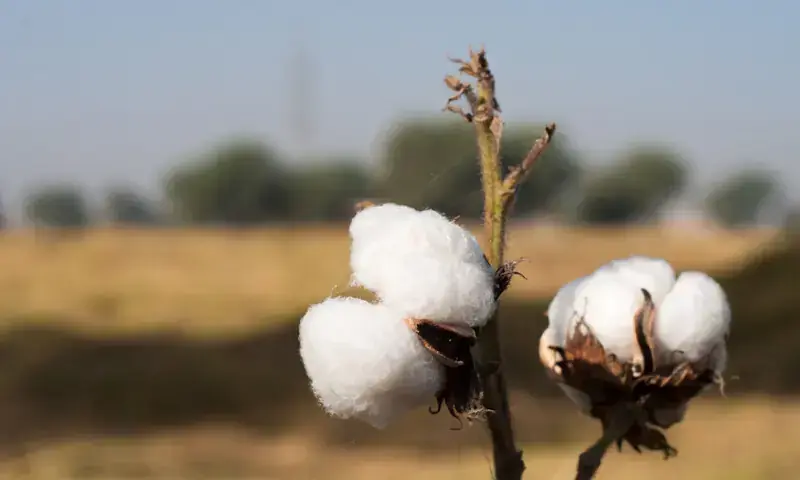
LAHORE: An ‘unprecedented’ rise in temperatures has sharply reduced cotton seed germination this year, raising fears of a serious shortage of certified seed for the 2026-27 cotton crop and potentially affecting next season’s sowing.
Cotton seed germination, normally expected to remain above 70 per cent under suitable temperatures of around 30°C, had fallen to nearly 30pc as temperatures reached 40-41°C in key cotton-growing areas, Cotton Ginners Forum chairman Ihsanul Haq said.
He said the unusually high temperatures had caused cotton bolls to open prematurely. While this could make per-acre production appear higher initially, the adverse impact on seed germination could create a shortage of certified seed for the coming season.
He urged the authorities to relax seed-germination standards for cotton temporarily to enable seed companies to supply maximum quantities of certified seed to farmers and prevent a decline in cotton cultivation.
Adverse weather conditions in recent years, coupled with inadequate and untimely weather forecasts have been blamed for creating serious difficulties for agriculture, particularly cotton.
He said cotton prices in global markets could improve if the expected meeting between the Chinese and US presidents in the next couple of days resulted in positive decisions on bilateral trade.
“Any improvement in international cotton prices could have a positive impact on Pakistani markets and support an upward trend in local cotton and phutti prices.”
Meanwhile, the National Seed Development and Regulatory Authority had decided to hold cotton travelling seminars in major cotton zones, including Rahim Yar Khan, Multan, Sukkur, Faisalabad, Tando Jam and Sakrand.
The seminars would bring research institutions, agriculture departments, seed companies, scientists, experts and farmers together to develop a coordinated strategy for improving cotton production through quality seed, modern varieties and improved production technologies, he said.
About The Author