

ISLAMABAD: Pakistan received a liquefied natural gas (LNG) shipment from Qatar on Monday under a long-term agreement, after the cargo had earlier been turned back from the Strait of Hormuz on July 31 amid difficult conditions in the strategically important waterway.
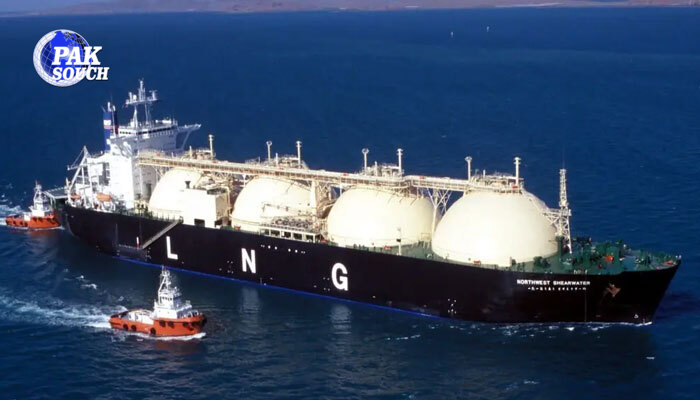
The LNG carrier Al Arish arrived at the Pakistan GasPort Limited terminal at around 11:30 a.m., according to available information.
The vessel was carrying approximately 141,550 cubic metres of LNG when it reached Pakistan, completing the delivery under the country’s long-term LNG supply arrangement with Qatar.
The arrival is significant for Pakistan’s energy sector because Qatar remains one of the country’s major long-term LNG suppliers. LNG cargoes are an important component of Pakistan’s gas supply system and are used to meet energy requirements, particularly for power generation and other sectors.
The shipment had faced difficulties earlier when it was reportedly turned back from the Strait of Hormuz on July 31. The strait is a critical route for global energy supplies and is considered one of the world’s most strategically important maritime chokepoints.
Any disruption or security concern in the area can affect the movement of oil and gas shipments and create uncertainty for importing countries. The return of the LNG vessel had therefore raised concerns about the timing of the cargo’s arrival in Pakistan.
The successful arrival of the Al Arish at the Pakistan GasPort terminal means that the shipment has now reached its intended destination despite the earlier disruption.
The vessel’s cargo of 141,550 cubic metres of LNG will be processed at the terminal before being supplied through Pakistan’s gas transmission and distribution system, subject to the relevant operational procedures.
Pakistan relies significantly on imported LNG to supplement its domestic natural gas production. Imported LNG plays an important role in meeting demand from the power sector, industries and other consumers, particularly when domestic gas supplies are insufficient.
The arrival of the Qatari shipment is therefore expected to provide additional support to the country’s gas supply position. Regular LNG deliveries are particularly important for maintaining supplies to power plants that use gas or LNG as fuel.
Pakistan and Qatar have maintained a long-term LNG supply relationship for several years. Under the existing arrangements, LNG cargoes are delivered periodically to Pakistan to help meet the country’s energy requirements.
The latest shipment also comes at a time when developments around the Strait of Hormuz are being closely monitored by energy-importing countries. The waterway connects the Persian Gulf with the Gulf of Oman and serves as a major transit route for international energy shipments.
The movement of LNG carriers through the region is closely linked to maritime security and navigational conditions. Any interruption can potentially cause delays in deliveries and increase pressure on energy markets.
For Pakistan, timely LNG arrivals are important because interruptions in imported gas supplies can create challenges for electricity generation and industrial activity. The arrival of the Al Arish therefore provides some relief by ensuring that the cargo eventually reached the country after the earlier setback.
Officials and energy-sector stakeholders are expected to continue monitoring the movement of future LNG shipments, particularly in view of the strategic importance of the Strait of Hormuz.
The successful berthing of the vessel at the Pakistan GasPort Limited terminal marks the completion of the latest Qatari LNG delivery and ensures that the cargo can now enter Pakistan’s gas supply chain.
The shipment highlights both Pakistan’s continued dependence on imported LNG and the importance of uninterrupted maritime routes for maintaining the country’s energy security.
About The Author